
Are you tired of breaking the bank on horse fencing? Or perhaps you’re simply looking for some fresh inspiration for your equine enclosure.
Look no further! This blog is your go-to resource for finding affordable, effective, and creative horse fencing solutions.
Whether you’re a seasoned horse owner or just starting out, we’ll provide you with valuable information on various fencing materials, installation tips, and maintenance advice. From electric fencing to woven wire, we’ll explore the pros and cons of each option to help you make informed decisions.
Get ready to discover innovative ideas, cost-saving hacks, and expert guidance as we delve into the world of horse fencing. Stay tuned for practical tips, stunning visuals, and real-life examples to inspire your next fencing project.
12 Horse Fence Ideas
1. Electric Fencing
Electric fencing is a popular choice for horse owners due to its affordability and effectiveness. It relies on a low-voltage current to deter horses from crossing the fence line. Polywire or polytape is often used for the fence itself, and a strong energizer is essential for optimal performance. Remember to properly ground the fence for maximum efficiency.
While electric fencing is generally humane, it’s important to ensure the fence is properly installed and maintained. Regular inspections are necessary to identify any broken wires or damaged posts. Additionally, consider using high-visibility markers on the fence to improve its visibility for horses, especially in low-light conditions.
2. Woven Wire Fencing
Woven wire fencing is a traditional choice for horses, offering durability and security. It’s available in various heights and gauges to suit different needs. While it’s generally more expensive than electric fencing, it provides a physical barrier that some horses may find more reassuring.
When choosing woven wire fencing, consider the height and spacing of the wires. A taller fence with closer wire spacing is generally better for containing horses. It’s also important to install the fence securely with sturdy posts and proper bracing. Regular inspections for rust or damage are essential to maintain the fence’s integrity.
3. High-Tensile Fencing
High-tensile fencing is known for its strength and durability. It’s often used for large pastures or to contain high-energy horses. While it requires professional installation, it offers a long-lasting and secure solution.
One of the advantages of high-tensile fencing is its versatility. It can be used with electric fencing or as a standalone physical barrier. However, it’s essential to choose the right wire gauge and tension to prevent sagging or breakage. Regular inspections and maintenance are necessary to ensure the fence remains effective.
4. Vinyl Fencing
Vinyl fencing offers a clean, low-maintenance appearance and is resistant to rot and insects. It’s available in various styles and colors, allowing you to create a visually appealing enclosure for your horses. However, it can be more expensive than other fencing options.
While vinyl fencing is durable, it can be susceptible to damage from strong impacts. It’s important to install the fence securely with sturdy posts and bracing. Regular cleaning can help maintain the fence’s appearance and prevent dirt buildup.
5. Wood Fencing
Wood fencing provides a classic and rustic look, but it requires regular maintenance to prevent rot and insect damage. It’s available in various styles, from split-rail to post and rail. The cost can vary depending on the type of wood and the complexity of the design.
When choosing wood fencing, consider the climate and soil conditions in your area. Some types of wood are more resistant to rot and decay than others. Proper installation and regular staining or painting can help extend the life of your wood fence.
6. Temporary Fencing
Temporary fencing is a versatile option for creating temporary enclosures for horses. It’s available in various materials, including electric, woven wire, and plastic panels. It’s ideal for paddocks, showgrounds, or other temporary needs.
The ease of installation and removal is a major advantage of temporary fencing. However, it may not be as secure as permanent fencing, so it’s important to choose a suitable type and height for your horses. Proper anchoring is essential to prevent the fence from toppling over.
7. Electric Net Fencing
Electric net fencing is a popular choice for temporary or permanent enclosures. It’s easy to install and move, and it offers good visibility for horses. It’s also generally more affordable than other types of electric fencing.
One of the benefits of electric net fencing is its flexibility. It can be used in various configurations to create different types of enclosures. However, it’s important to choose a net with appropriate wire spacing for your horses. Regular inspections for damage are necessary to ensure the fence’s effectiveness.
8. Gabion Fencing
Gabion fencing offers a unique and stylish look for your horse pasture. It’s made by filling wire cages with rocks or stones. It’s durable and low maintenance, but it can be more expensive than other fencing options.
Gabion fencing provides a strong and visually appealing barrier for horses. It can also be used to create privacy screens or windbreaks. However, it’s important to use high-quality materials and proper installation techniques to ensure the fence’s stability.
9. Post and Rail Fencing
Post and rail fencing is a classic choice for horses, offering a clean and simple look. It’s available in various heights and styles, and it can be made from wood, vinyl, or metal. However, it can be more expensive than other fencing options.
Post and rail fencing provides a strong and durable barrier for horses. It’s also relatively easy to repair or replace damaged components. However, it requires regular maintenance to prevent rot or damage to the wood.
10. PVC Fencing
PVC fencing offers a low-maintenance and durable option for horse enclosures. It’s resistant to rot, insects, and weather, and it’s available in various styles and colors. However, it can be more expensive than other fencing materials.
PVC fencing provides a clean and modern look for your horse pasture. It’s also easy to clean and maintain. However, it can be susceptible to damage from strong impacts, so it’s important to install it securely.
11. Combination Fencing
Combination fencing combines different types of fencing to create a customized enclosure for your horses. For example, you could combine electric fencing with woven wire or high-tensile fencing. This approach allows you to tailor the fence to your specific needs and budget.
By combining different fencing materials, you can create a more secure and effective enclosure for your horses. However, it’s important to ensure that the different materials are compatible and installed correctly.
12. Live Fencing
Live fencing involves planting trees or shrubs to create a natural barrier for your horses. While it’s a more time-consuming and long-term option, it can provide a beautiful and environmentally friendly enclosure.
Live fencing offers a unique and sustainable way to contain your horses. It can also provide shade, shelter, and habitat for wildlife. However, it requires careful planning and maintenance to ensure the plants thrive and provide adequate protection.
Would you like to focus on a specific type of fencing or a particular problem, such as containing escape artists or creating a visually appealing fence?
Temporary Horse Fencing Ideas
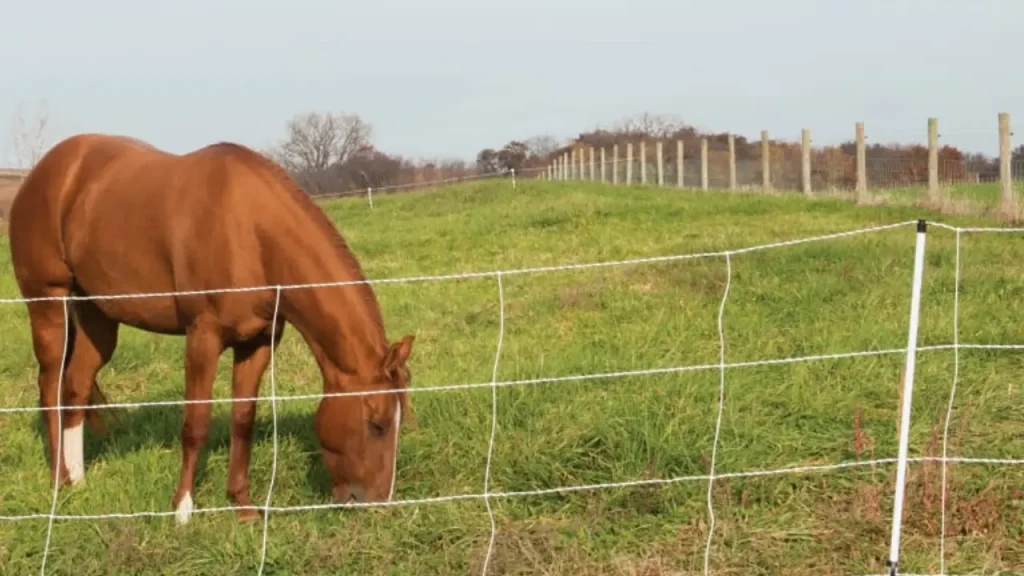
Electric Fencing
- Pros: Cost-effective, easy to install and move, versatile.
- Cons: Requires a power source, horses need to respect the shock.
- Tips: Use high-visibility tape or flags for better visibility, ensure proper grounding, and consider using a battery-powered energizer for remote areas.
Woven Wire Fencing Panels
- Pros: Provides a physical barrier, relatively easy to install and move.
- Cons: Can be heavy and difficult to handle, may not be as secure as permanent fencing.
- Tips: Choose panels with close spacing for better containment, secure panels firmly to prevent tipping, and consider using ground stakes for added stability.
Electric Net Fencing
- Pros: Combines visibility of woven wire with the effectiveness of electric fencing, easy to install and move.
- Cons: May not be as strong as traditional woven wire, requires a power source.
- Tips: Choose a net with appropriate mesh size for your horses, ensure proper grounding, and use ground stakes for added stability.
Temporary Panels
- Pros: Quick and easy to install, available in various heights and materials.
- Cons: Can be expensive, may not be as secure as other options.
- Tips: Choose panels with sturdy construction, secure panels firmly to prevent tipping, and consider using ground stakes for added stability.
High-Tensile Fencing (Temporary)
- Pros: Strong and durable, can be used for various purposes.
- Cons: Requires specialized equipment and knowledge to install, can be expensive.
- Tips: Rent or hire professionals for installation, use high-quality materials, and ensure proper tensioning.
Utilizing Natural Barriers
- Pros: Cost-effective, environmentally friendly.
- Cons: May not be sufficient on its own, requires careful planning.
- Tips: Combine with other fencing types for added security, consider using trees, shrubs, or bodies of water as natural barriers.
Remember to prioritize horse safety when choosing and installing temporary fencing. Consider factors such as horse temperament, terrain, and intended use of the enclosure. Proper installation and maintenance are essential for the effectiveness and longevity of your temporary fence.
Would you like to focus on a specific type of temporary fencing or discuss a particular situation?
Conclusion
Choosing the right horse fencing can be overwhelming, but with this guide, you now have a solid foundation to make an informed decision. From the cost-effective electric fencing to the classic charm of wood, there’s a perfect option for every horse owner and property.
Remember to consider factors such as your budget, horse temperament, and desired aesthetic when selecting the best fencing for your needs.
Ready to transform your pasture? Contact us today for a free quote on high-quality horse fencing tailored to your specific requirements. Our experts will help you choose the ideal fencing solution and provide professional installation services. Let’s create a safe and beautiful environment for your equine companions!