
When it comes to the well-being of our equine companions, ensuring their safety and security is paramount. One critical aspect of this is choosing the right fencing for horses. The type of fencing used can significantly impact the safety, comfort, and behavior of horses.
In this comprehensive guide, we will explore the best options available for horse fencing, providing insights into various materials, their benefits, and considerations for horse owners.
Types of Horse Fencing
Wooden Fencing
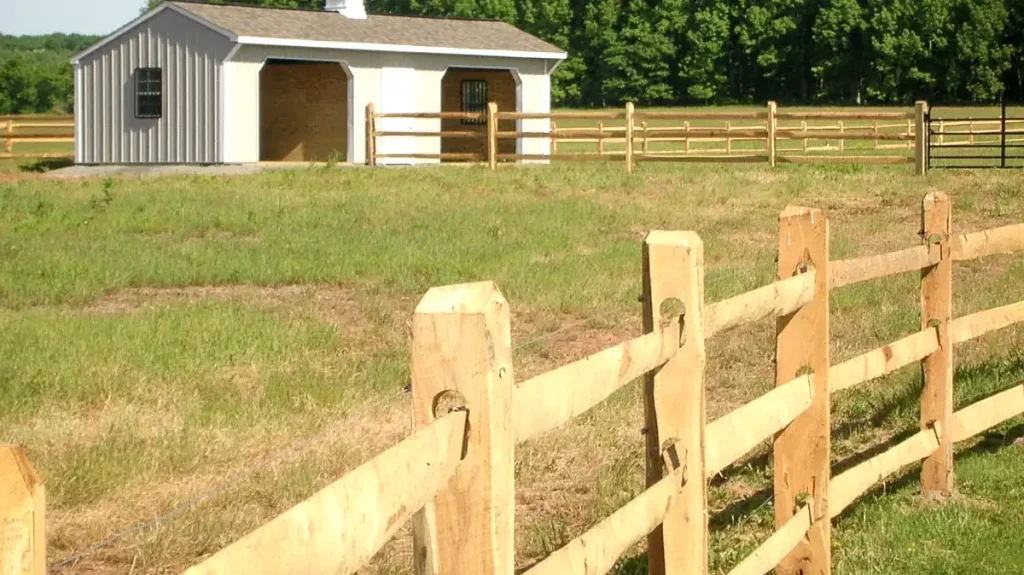
Wooden fencing has long been a popular choice for horse enclosures due to its classic aesthetic appeal and sturdy construction. Within the realm of wooden fencing, there are several options to consider:
Split Rail Fencing
Split rail fencing, also known as log or ranch fencing, is a traditional choice characterized by its rustic appearance. It consists of horizontally placed wooden rails supported by sturdy posts. Split rail fencing offers excellent visibility and ventilation while effectively containing horses within the enclosure.
Post and Board Fencing
Post and board fencing, comprising vertical wooden boards secured between sturdy posts, provides a more solid barrier compared to split rail fencing. This type of fencing offers increased privacy and security while maintaining a traditional and aesthetically pleasing look.
Vinyl Fencing
Vinyl fencing has gained popularity in recent years due to its durability, low maintenance requirements, and versatility.
Here are two common types of vinyl fencing suitable for horse enclosures:
PVC Rail Fencing
PVC rail fencing mimics the appearance of traditional wooden rail fencing but offers the added benefits of vinyl, such as resistance to rot, warping, and insect damage. PVC rail fencing is available in various colors and styles, allowing horse owners to customize their enclosures to suit their preferences.
Vinyl Coated Wire Fencing
Vinyl coated wire fencing combines the strength of wire mesh with the durability of vinyl coating. This type of fencing provides excellent visibility and containment while offering protection against rust and corrosion. Vinyl coated wire fencing is a practical choice for both perimeter fencing and interior dividers within pastures or paddocks.
Wire Fencing
Wire fencing is a cost-effective and versatile option suitable for various horse enclosures.
Here are two popular types of wire fencing used in equine facilities:
High Tensile Wire Fencing
High tensile wire fencing is engineered to withstand high levels of tension without stretching or sagging. It consists of multiple strands of high-strength wire tightly woven together. High tensile wire fencing offers durability and strength, making it suitable for containing horses and withstanding external pressures.
Electric Fencing
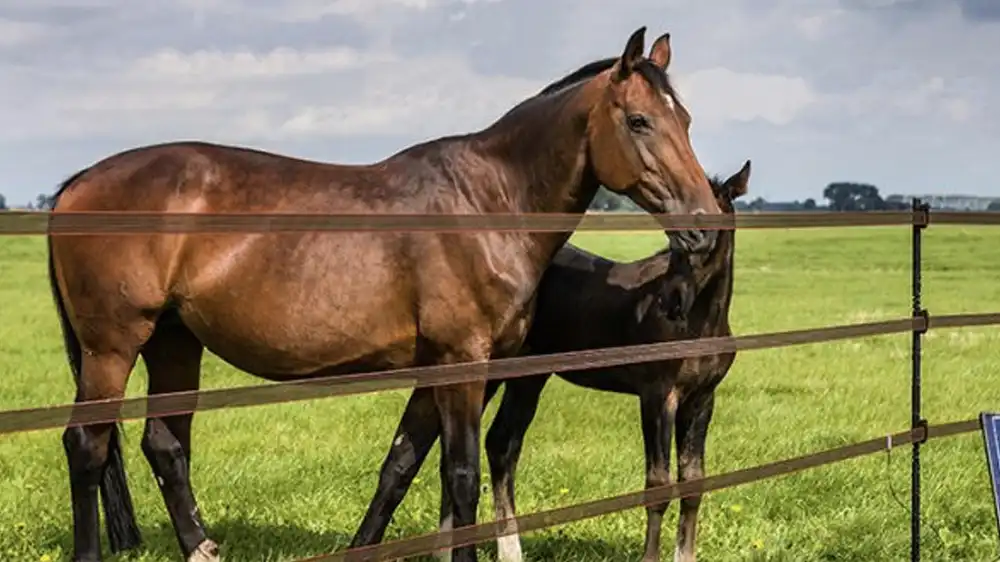
Electric fencing utilizes electrified wires or tapes to create a psychological barrier for horses. When properly installed and maintained, electric fencing can effectively deter horses from leaning, chewing, or pushing against the fence. Electric fencing is particularly useful for temporary enclosures or rotational grazing systems.
Mesh Fencing
Mesh fencing provides a secure and visually unobtrusive barrier for horse enclosures. Here are two common types of mesh fencing used in equestrian settings:
Woven Wire Fencing
Woven wire fencing consists of vertical and horizontal wires woven together to form a tight grid pattern. This type of fencing offers excellent strength and durability, making it suitable for containing horses of all sizes. Woven wire fencing is available in various heights and mesh sizes to accommodate different enclosure requirements.
Barbed Wire Fencing
Barbed wire fencing, while less common in horse facilities due to safety concerns, can be used in certain situations where a high level of security is required. However, it’s essential to use barbed wire fencing judiciously and ensure that horses cannot access or come into contact with the barbed wire strands to prevent injuries.
Pipe Fencing
Pipe fencing, constructed from steel or aluminum pipes, provides a robust and long-lasting solution for horse enclosures. Here are two types of pipe fencing commonly used:
Steel Pipe Fencing
Steel pipe fencing offers superior strength and durability, making it suitable for high-traffic areas or facilities with large, powerful horses. Steel pipe fencing is resistant to weathering, corrosion, and impact, ensuring long-term reliability and security.
Aluminum Pipe Fencing
Aluminum pipe fencing combines strength with lightweight construction, making it easy to install and maneuver. Aluminum pipe fencing is resistant to rust and corrosion, making it an excellent choice for outdoor applications where exposure to the elements is a concern.
What is the Best Fencing for Horses
What is the best type of fencing for horses?
Choosing the best fencing for horses involves considering several factors to ensure the safety, security, and well-being of the animals. Here’s a more detailed explanation of some common types of horse fencing and their suitability:
Wooden Fencing:
- Split Rail Fencing: This traditional option provides a rustic appearance and excellent visibility. It’s suitable for containing horses within pastures or paddocks.
- Post and Board Fencing: Offering increased privacy and security, this type consists of vertical boards secured between sturdy posts. It’s a solid barrier that maintains a classic look.
Vinyl Fencing:
- PVC Rail Fencing: Mimicking the appearance of wood, PVC rail fencing is durable, low-maintenance, and available in various colors and styles.
- Vinyl Coated Wire Fencing: Combining wire mesh with a vinyl coating, this fencing type offers strength, visibility, and protection against rust and corrosion.
Wire Fencing:
- High Tensile Wire Fencing: Engineered for durability, high tensile wire fencing withstands tension without stretching. It’s suitable for containing horses and enduring external pressures.
- Electric Fencing: Using electrified wires or tapes, electric fencing creates a psychological barrier. It’s effective for deterring horses from leaning, chewing, or pushing against the fence.
Mesh Fencing:
- Woven Wire Fencing: Featuring a tight grid pattern of vertical and horizontal wires, woven wire fencing offers strength and durability. It’s available in various heights and mesh sizes.
- Barbed Wire Fencing: Less common due to safety concerns, barbed wire fencing provides high security but requires careful installation to prevent injuries to horses.
Pipe Fencing:
- Steel Pipe Fencing: Known for superior strength and durability, steel pipe fencing is resistant to weathering and impact, making it suitable for high-traffic areas.
- Aluminum Pipe Fencing: Lightweight and resistant to rust, aluminum pipe fencing is easy to install and maneuver, making it suitable for outdoor applications.
The best fencing choice depends on factors such as budget, location, desired aesthetics, and specific needs of the horses. It’s essential to consider durability, safety, maintenance requirements, and local regulations when selecting fencing for horses. Consulting with equine experts and evaluating the unique requirements of your situation can help you make an informed decision.
Conclusion
Choosing the best fencing for horses is crucial for their safety, comfort, and well-being. Wooden fencing, such as split rail and post and board, offers a classic and durable option. Vinyl fencing provides low maintenance and aesthetic versatility. Wire fencing, including high tensile and electric options, ensures strong containment and deterrence. Mesh fencing like woven wire offers excellent strength and visibility, while pipe fencing, either steel or aluminum, combines robustness with longevity. Each type of fencing has its unique benefits and considerations, and the best choice depends on your specific needs, budget, and environment.
Investing in quality fencing is essential to prevent injuries, escapes, and stress among horses. Regular maintenance and choosing the right materials can make a significant difference in the effectiveness and longevity of your fencing.
Ensure the safety and happiness of your horses by selecting the best fencing option tailored to their needs. Consult with equine experts and evaluate your specific requirements to make an informed decision. Invest in durable and reliable fencing today to provide a secure and comfortable environment for your beloved horses. For expert advice and high-quality fencing materials, contact us now and take the first step towards creating the perfect enclosure for your equine companions.