
Importing Wood Horse Fence From China
Looking for high-quality, affordable wood horse fence? Our fence manufacturer offer a wide variety of wood horse fencing at competitive prices. You can find everything from pre-built panels to individual rails and posts, all made from durable wood. Plus, many suppliers offer customization options to get the perfect fit for your paddock.
wooden horse fence
Wooden horse fences offer a classic and attractive way to contain your horses. They are typically made from sturdy posts with horizontal rails attached, allowing horses to see out while keeping them safely contained. These fences are also relatively easy to repair and maintain.

3 rail wood horse fence
A 3 rail wood horse fence is a classic and versatile option for containing your horses. It provides a strong barrier while still allowing them to see out.
- Durable: When built with pressure-treated wood, a 3 rail fence can last for many years.
- Easy to Repair: Individual rails and posts can be replaced if damaged, unlike some solid fences.
- Customizable: You can adjust the height and spacing of the rails to meet your specific needs.
- Classic Look: Wood fences add a timeless beauty to any property.
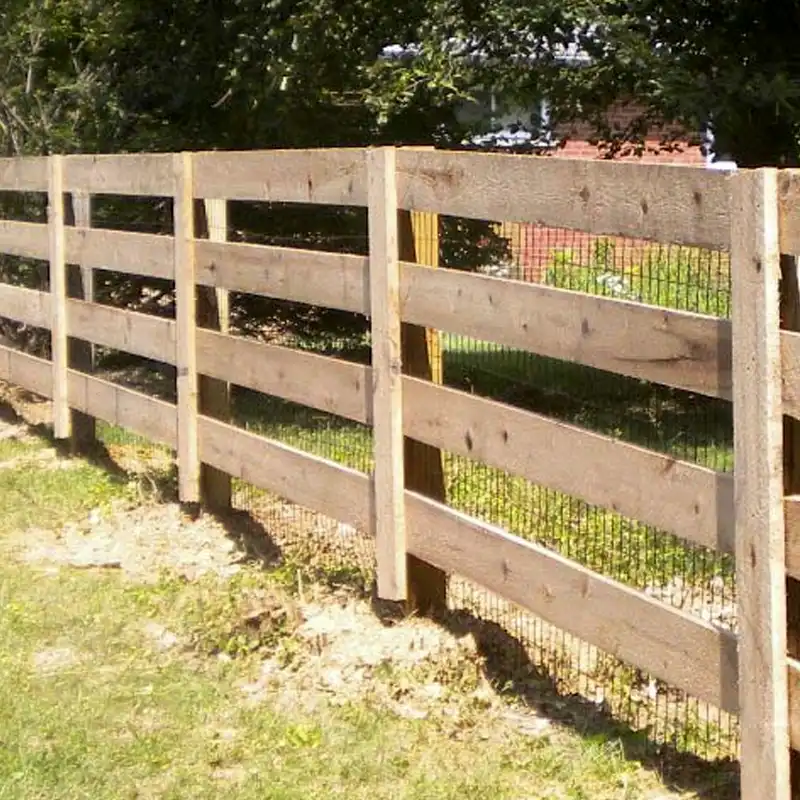
4 rail wood horse fence
4 rail wood horse fence is a classic and versatile option for containing horses. It consists of four horizontal rails attached to sturdy posts, providing a strong and secure barrier.
- Durable: When built with pressure-treated wood or naturally rot-resistant wood like cedar or redwood, a 4 rail wood horse fence can last for many years.
- Safe: The horizontal rails provide good visibility for horses, reducing the risk of spooking or injuries. The smooth wood also reduces the chance of cuts or scrapes.
- Easy to Repair: Individual rails or posts can be easily replaced if damaged.
- Attractive: A well-maintained wood fence adds a classic beauty to any property.
Wood Horse Fence Manufacturer
As a leading wood Horse Fence Manufacturer, we pride ourselves on delivering top-quality horse fencing solutions for your equine needs. Our durable and reliable wooden fences are designed to provide safety and security for your horses while enhancing the appearance of your property. Trust in our expertise to provide you with the best fencing options for your equestrian environment. Contact us today to discuss your fencing requirements and experience the difference our products can make!
How long will a wood horse fence last?
This is a top concern for horse owners. You can answer by mentioning the average lifespan of pressure-treated pine and highlighting the extended life of naturally rot-resistant woods like cedar or redwood. Emphasize that proper maintenance further extends the life of any wood fence.
What is the recommended height for a wood horse fence?
Safety is paramount. Briefly explain the standard height of 4-5 feet for most horses, but mention the option of taller fences for specific breeds or needs.
How do I maintain a wood horse fence?
Customers appreciate after-sales guidance. Briefly outline basic maintenance like regular inspections for damage, occasional cleaning, and potential re-staining depending on the wood type used.
Wood Horse Fence Cost
The cost of a wood horse fence can vary depending on several factors:
Materials:
- Wood type: Pressure-treated pine is the most affordable option, but cedar or redwood will last longer and may be a better value in the long run.
- Number of rails: A 3-rail fence will obviously cost less materials than a 4 or 5 rail fence.
- Hardware: Galvanized nails or screws are standard, and their cost is minimal.
Fence size: The total length of the fence will directly impact the overall material cost.
Labor: Installing a fence yourself can save on costs, but it requires time, effort, and some knowledge. Hiring a professional fence installer will add labor costs to the project.
Here’s a general breakdown of wood horse fence costs:
- Material cost per linear foot: $5 to $10 (including posts, rails, and hardware)
- Labor cost per linear foot: $2 to $5 (professional installation)
Here are some additional factors that can affect the cost:
- Complexity of the fence design: Straight runs of fencing are simpler and cheaper to install than fences with curves, corners, or gates.
- Local material availability: Prices for wood and other materials can vary depending on your location.
- Removal of existing fence: If you have an old fence that needs to be removed before installing the new one, factor in the disposal costs.
Here are some tips for saving money on your wood horse fence:
- Get quotes from multiple material suppliers and installers: Compare prices to ensure you’re getting a good deal.
- Consider a DIY approach: If you’re handy and have the time, building the fence yourself can save on labor costs. However, be sure to factor in the cost of any equipment rentals and the additional time commitment.
- Choose a simpler fence design: Opt for a straight-run fence with fewer rails to minimize material and installation costs.
wood horse fence cost per foot
The cost of a wood horse fence per foot can range from $7 to $15, depending on several factors:
Materials (Approx. $5-$10 per foot):
- Wood type: Pressure-treated pine is the most affordable option (around $5-$7 per foot), but cedar or redwood will last longer (around $7-$10 per foot) and may be a better value in the long run.
- Number of rails: A 3-rail fence will use less material than a 4 or 5 rail fence, affecting the overall cost per foot.
Labor (Approx. $2-$5 per foot):
DIY vs. Professional installation: Installing the fence yourself can save on costs, but it requires effort and some know-how. Hiring a professional fence installer will add labor costs (around $2-$5 per foot) to the project.
Here’s a breakdown of the total cost per foot:
- Low-end cost: $7 per foot (affordable materials like pressure-treated pine and DIY installation)
- High-end cost: $15 per foot (durable materials like cedar and professional installation)
Additional factors affecting cost:
- Fence complexity: Straight runs are cheaper than fences with curves, corners, or gates.
- Local material availability: Prices can vary depending on your location.
- Existing fence removal: Factor in disposal costs if removing an old fence before installing the new one.
Tips for saving money:
- Compare quotes: Get quotes from multiple material suppliers and installers for the best deal.
- Consider DIY (if applicable): Building the fence yourself can save on labor if you’re handy and have the time. However, factor in equipment rental costs and extra time commitment.
- Simpler design: Opt for a straight-run fence with fewer rails to minimize material and installation costs.
Do you offer different wood types for horse fences?
Knowing their options empowers customers. Briefly explain the most common choices (pressure-treated pine, cedar, redwood) and touch on the pros and cons of each regarding affordability, durability, and aesthetics.
what size wood post for horse fence
The size of the wood post you’ll need for your horse fence depends on a few factors:
- Height of the fence: Taller fences naturally require thicker posts to ensure stability and withstand pressure from leaning or rubbing horses.
- Type of wood: Denser, heavier woods like cedar or redwood can support a fence with slightly thinner posts compared to lighter woods like pine.
- Spacing between posts: Posts spaced further apart will require a larger diameter to maintain fence rigidity. The standard post spacing for horse fences is 6-8 feet.
Here’s a general guideline for pressure-treated pine, a common and affordable choice for horse fence posts:
- For fences 4-5 feet high with 6-8 feet post spacing: 4×4 inch or 5×5 inch posts are a good standard size.
- For fences exceeding 5 feet high or with wider post spacing: Consider opting for 6×6 inch posts for added strength and stability.
Here are some additional tips for choosing wood posts for your horse fence:
- Pressure-treated lumber is recommended: This ensures the wood can withstand moisture and resist rot.
- Inspect the posts for cracks or warping: Avoid using any wood that appears damaged or compromised.
- Consider burying the posts at least 2-3 feet deep: This will provide a solid foundation for the fence.
If you’re unsure about the ideal post size for your specific fence project, consulting with a professional at a lumberyard or a fencing contractor is recommended. They can help you choose the right size and type of wood post to ensure the safety and longevity of your horse fence.
how to build a horse fence from wood
Building a wooden horse fence requires planning, material selection, and some physical effort. Here’s a breakdown of the steps involved:
Planning:
Measure and Design: Thoroughly measure the perimeter of the area you want to fence. Sketch a fence layout considering factors like gates, corners, and post spacing (typically 6-8 feet apart).
Permits and Regulations: Check with your local authorities to see if any permits are required for building a fence in your area. There might be height restrictions or setback requirements from property lines.
Material Selection:
- Posts: Choose pressure-treated pine for affordability or cedar/redwood for increased durability. Posts should be at least 6-8 feet long, with a buried depth of 2-3 feet for stability.
- Rails: Common options are pressure-treated pine boards (1″x6″ or 2″x6″) or split rails made from cedar or locust.
- Hardware: Galvanized nails or screws are ideal for rust resistance. You’ll also need concrete mix for setting the posts.
Building the Fence:
Digging Post Holes: Use a post hole digger or shovel to create holes for each post, ensuring they are deep enough for proper bury depth and the desired fence height above ground.
Setting the Posts: Place the posts in the holes, ensuring they are plumb (perfectly vertical). Use a level and adjust the hole depth or pack dirt around the base for stability. Once positioned, mix and pour concrete around the post base to secure it.
Attaching the Rails: Once the concrete cures (usually 24-48 hours), pre-drill holes in the posts to prevent splitting. Attach the rails to the posts using galvanized nails or screws. Ensure proper spacing between rails for safety and visibility (consider foal size if applicable).
Gates and Finishing Touches: Install any necessary gates following the same principles as the fence sections. You can add a cosmetic touch by staining or painting the finished fence (optional depending on wood type).
Here are some additional tips:
- Safety first: Wear gloves and eye protection while working with tools and materials.
- Get help for heavy lifting: Posts and concrete can be heavy. Consider having a helper for lifting and positioning posts.
- Rent equipment: If you don’t own a post hole digger, renting one can save time and effort on this project.
- Double-check your work: Ensure all posts are plumb and rails are securely fastened before moving on to the next section.
Building a wooden horse fence can be a rewarding DIY project, but it’s important to be prepared and ensure a safe and sturdy construction. If you’re unsure about any steps, consulting a professional fence builder is always recommended.
Quote Us Now