
A wire fence is a versatile barrier constructed primarily from wire, often interwoven or stretched between posts. It’s a widely used fencing solution with applications ranging from property boundaries and livestock containment to security and decorative purposes.
This blog post will delve into the different types of wire fences, their construction methods, and their advantages and disadvantages. We’ll also discuss factors to consider when choosing a wire fence for your specific needs.
What is Wire Fence

A wire fence is a type of fencing constructed primarily from wire, often interwoven or stretched between posts. It’s a versatile and widely used barrier with numerous applications, including:
- Property boundaries: Delimiting land areas and protecting against trespassers.
- Livestock containment: Keeping animals within designated pastures or enclosures.
- Security: Deterring unauthorized access to sensitive areas or facilities.
- Gardening: Protecting plants from pests and providing support for climbing vines.
- Decorative purposes: Adding aesthetic appeal to landscapes or creating unique design elements.
Wire fences come in various styles, materials, and mesh sizes, each suited to specific needs and environments.
What is Woven Wire Fence
Woven wire fence is a type of fence constructed from wire that has been woven together to form a mesh. It’s a popular choice for various applications due to its flexibility, durability, and affordability.
Key characteristics of woven wire fence:
- Mesh: The wire is woven into a mesh pattern, which can vary in size and shape depending on the specific type of fence.
- Posts: The mesh is typically attached to posts, which can be made of wood, metal, or concrete.
- Tension: The wire is stretched and tensioned between the posts to create a secure barrier.
Common types of woven wire fence:
- Field fence: A versatile type of fence often used for livestock containment and property boundaries.
- Poultry netting: A finer mesh fence designed to keep poultry contained.
- Rabbit wire: A small-mesh fence used to protect gardens and enclosures from rabbits.
- Hog wire: A heavy-duty fence with larger mesh openings, suitable for containing hogs and other large animals.
Woven wire fences can be further customized with features like barbed wire top strands or electric fencing to enhance security.
What is a Wire Mesh Fence
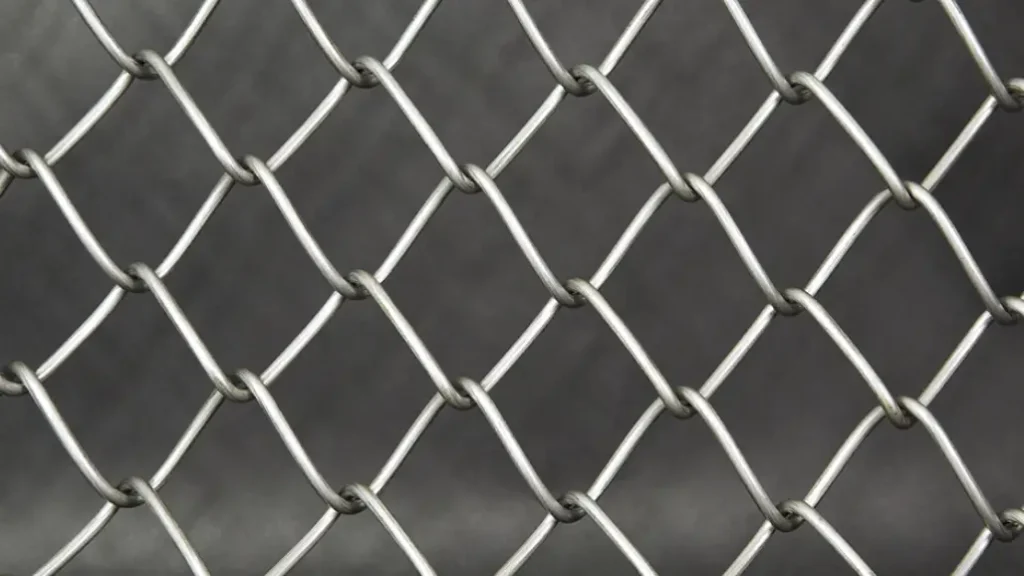
A wire mesh fence is a type of fence constructed from wire that has been woven or welded together to form a mesh. This mesh is then stretched between posts to create a barrier.
Key features of wire mesh fences:
- Mesh: The wire is woven or welded into a mesh pattern, which can vary in size and shape depending on the specific type of fence.
- Posts: The mesh is typically attached to posts, which can be made of wood, metal, or concrete.
- Tension: The wire is stretched and tensioned between the posts to create a secure barrier.
Common types of wire mesh fences:
- Woven wire fence: A versatile type of fence often used for livestock containment and property boundaries.
- Chain-link fence: A popular choice for security and property demarcation, known for its flexibility and durability.
- Welded wire fence: Constructed by welding wire together into a rigid mesh, often used for industrial and commercial applications.
- Barbed wire fence: A type of fence that uses barbed wire to deter animals and people from crossing.
Wire mesh fences can be further customized with features like barbed wire top strands or electric fencing to enhance security.
What is Concertina Wire Fencing
Concertina wire fencing is a type of fencing that uses barbed wire that has been coiled into a concertina-like shape. This creates a dense, impenetrable barrier that can be used for a variety of purposes, including:
- Perimeter security: Protecting sensitive areas or facilities from unauthorized access.
- Military applications: Deterring enemy forces or controlling crowds.
- Industrial security: Securing warehouses, factories, and other industrial sites.
Concertina wire fencing is often used in conjunction with other security measures, such as electric fences or guard dogs. It is a highly effective deterrent and can be difficult to penetrate without specialized equipment.
Key features of concertina wire fencing:
- Coiled barbed wire: The wire is coiled into a concertina shape, creating a dense and difficult-to-penetrate barrier.
- Barbed wire: The wire is barbed, making it even more difficult to climb over or through.
- High tensile strength: Concertina wire is typically made from high-tensile steel, making it very strong and durable.
Concertina wire fencing is a versatile and effective security solution, but it is important to note that it can be dangerous if not handled properly. It is recommended to consult with a professional security company to determine if concertina wire fencing is the right choice for your needs.
What is Wire Fence Made Of?
Wire fences are primarily made of metal wire. The type of metal used can vary, but common options include:
- Galvanized steel: This is a popular choice due to its durability and resistance to rust.
- Aluminum: A lightweight option that is also corrosion-resistant.
- Stainless steel: Offers exceptional durability and resistance to rust, but it’s generally more expensive than other options.
- Chain-link: Often made of galvanized steel wire, this type of fence is known for its flexibility and durability.
- Barbed wire: A type of fencing that uses barbed wire to deter animals and people from crossing.
The specific metal used and the thickness of the wire can affect the fence’s strength, durability, and cost.
What Is Wire Fence Used for?

Wire fences are incredibly versatile and have a wide range of applications. Here are some of the most common uses:
- Property boundaries: Delimiting land areas and protecting against trespassers.
- Livestock containment: Keeping animals within designated pastures or enclosures.
- Security: Deterring unauthorized access to sensitive areas or facilities.
- Gardening: Protecting plants from pests and providing support for climbing vines.
- Decorative purposes: Adding aesthetic appeal to landscapes or creating unique design elements.
- Industrial and commercial applications: Enclosing warehouses, factories, and other industrial sites.
- Agricultural purposes: Dividing fields, protecting crops, and controlling livestock.
- Sports and recreation: Enclosing sports fields, playgrounds, and other recreational areas.
The specific type of wire fence used will depend on the intended purpose and the environment.
What Are the Wires in Fencing
Wire fencing is typically constructed using various types of metal wire. The specific type of wire used can depend on factors such as the desired strength, durability, and aesthetic appeal.
Here are some common types of wire used in fencing:
- Galvanized steel: This is a popular choice due to its durability and resistance to rust. It’s often used in chain-link fences, field fences, and other general-purpose fencing applications.
- Aluminum: A lightweight option that is also corrosion-resistant. Aluminum wire is often used in fencing for residential and commercial applications.
- Stainless steel: Offers exceptional durability and resistance to rust, but it’s generally more expensive than other options. Stainless steel wire is often used in high-security applications or where aesthetics are a priority.
- Barbed wire: A type of fencing that uses barbed wire to deter animals and people from crossing. Barbed wire is often used in livestock containment and perimeter security.
- Chain-link wire: A type of fencing made from interwoven wire links. It’s known for its flexibility and durability, making it a popular choice for property boundaries and security applications.
- Woven wire: A type of fencing made by weaving wire together to form a mesh. Woven wire is often used for livestock containment and property boundaries.
The thickness and gauge of the wire can also vary, affecting the strength and durability of the fence. Thicker wires are generally stronger and more resistant to damage.
Conclusion
Wire fences offer a versatile and effective solution for a variety of applications, from property boundaries and livestock containment to security and decorative purposes. With various styles, materials, and mesh sizes available, there is a wire fence option to suit virtually any need.
Ready to install a wire fence for your property? Contact our team today for a free consultation. We specialize in providing high-quality wire fencing solutions and can help you select the perfect option for your specific requirements.