
Understanding fence wire gauge is crucial for selecting the appropriate fencing solution for your specific needs. The gauge, which refers to the thickness of the wire, directly impacts the fence’s strength, durability, and overall performance.
This blog post will delve into the intricacies of fence wire gauge, explaining how to interpret gauge numbers, the factors influencing gauge selection, and the common gauge ranges used in various fencing applications.
By the end, you’ll be equipped to make informed decisions when purchasing fence wire and ensuring the longevity and effectiveness of your fence.
What Is Gauge for Wire Fence?

What does gauge mean in wire fencing?
Fence wire gauge refers to the thickness of the wire used in constructing a fence. It’s a crucial factor that determines the fence’s strength, durability, and suitability for different applications.
Thicker gauge wire generally offers greater strength and resistance to damage, making it a good choice for fences that need to withstand harsh weather conditions, heavy use, or security threats. However, thicker wire can also be more expensive and may have a different aesthetic appearance.
Lighter gauge wire is often used for fencing applications where strength is less critical, such as garden fences or decorative purposes. It can be more flexible and easier to work with, but may not be as durable in demanding environments.
When choosing a fence wire gauge, consider the following factors:
- Intended use: The purpose of the fence will determine the required strength and durability.
- Environmental conditions: Exposure to harsh weather or heavy use may necessitate a thicker gauge wire.
- Aesthetic preferences: The desired appearance of the fence can also influence gauge selection.
- Cost: Thicker gauge wire is generally more expensive.
By carefully considering these factors, you can select the appropriate fence wire gauge to meet your specific needs and ensure the long-term success of your fencing project.
What Gauge is Fence Wire?
Understanding fence wire gauge is crucial for selecting the appropriate fencing solution. The gauge, which refers to the thickness of the wire, directly impacts the fence’s strength, durability, and overall performance.
Key Factors Influencing Fence Wire Gauge:
- Intended Use: The purpose of the fence will determine the required strength and durability. For example, fences used for livestock containment or security may require thicker gauge wire.
- Environmental Conditions: Exposure to harsh weather conditions, such as high winds, heavy rain, or extreme temperatures, may necessitate a thicker gauge wire to ensure longevity.
- Aesthetic Preferences: While gauge primarily affects strength and durability, it can also influence the overall appearance of the fence. Thicker gauge wire may create a more substantial look.
Common Fence Wire Gauges and Their Applications:
- 10-gauge to 12-gauge: Typically used for lighter-duty applications, such as garden fencing or decorative purposes.
- 14-gauge to 16-gauge: Commonly used for general-purpose fencing, including property boundaries and livestock containment.
- 17-gauge to 19-gauge: Often used for poultry netting and other finer-mesh fencing applications.
- Heavier gauges (20-gauge and below): Used for industrial and commercial applications where maximum strength and durability are required.
Tips for Choosing the Right Gauge:
- Consult with a fencing professional: They can provide expert advice based on your specific needs and local conditions.
- Consider the manufacturer‘s recommendations: Many wire manufacturers provide guidelines for selecting the appropriate gauge for different applications.
- Factor in the cost: Thicker gauge wire is generally more expensive, so it’s important to balance cost with performance requirements.
By carefully considering these factors and understanding the common gauge ranges, you can select the ideal fence wire gauge to meet your needs and ensure the long-term success of your fencing project.
What Gauge Wire for Invisible Fence

The gauge of wire used for invisible fences can vary depending on the specific system and manufacturer. However, most systems use a relatively thin gauge wire to allow for easier installation and to minimize the risk of injury to pets or people.
Common gauges for invisible fence wire include:
- 14-gauge: A popular choice due to its balance of strength and flexibility.
- 16-gauge: Slightly thinner than 14-gauge, offering a more discreet installation.
- 18-gauge: The thinnest commonly used gauge, providing a very discreet installation but potentially sacrificing some strength.
It’s important to consult the specific instructions provided with your invisible fence system to determine the recommended gauge. The manufacturer will take into account factors such as the size and breed of your pet, the terrain of your yard, and the desired level of containment.
What Gauge Wire for Horse Fence
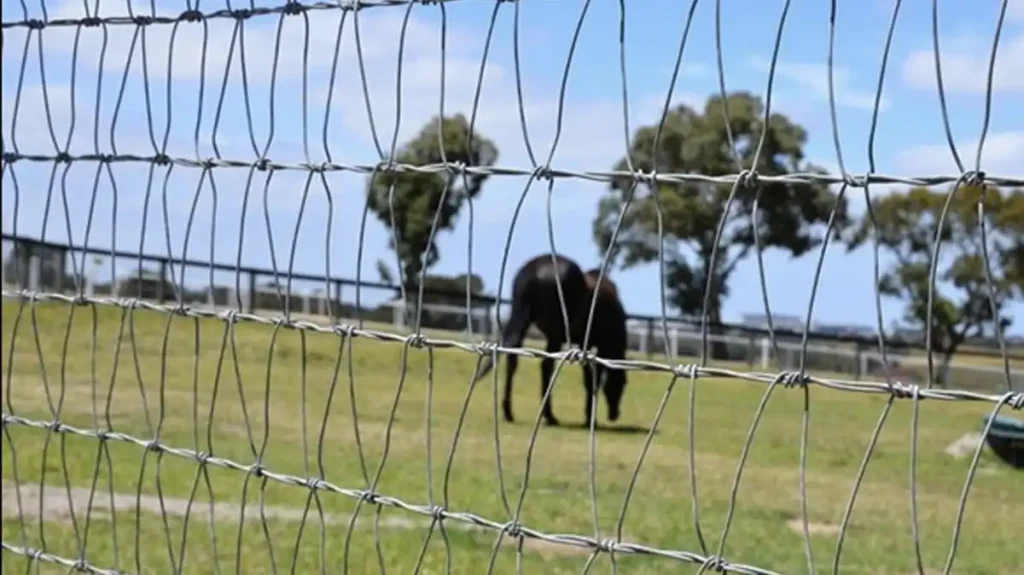
The ideal gauge for horse fence wire depends on several factors, including:
- Horse breed and size: Larger horses may require thicker wire to prevent them from breaking through the fence.
- Enclosure size and location: A larger enclosure or one located in a high-wind area may benefit from a thicker gauge wire.
- Security needs: If you need to deter predators or prevent horses from escaping, a thicker gauge wire can be more effective.
Common gauge ranges for horse fences include:
- 12-gauge to 14-gauge: Suitable for smaller horse breeds or enclosures in calm areas.
- 10-gauge to 12-gauge: A good choice for most horse breeds and enclosures.
- 8-gauge or thicker: Recommended for larger horse breeds, high-security enclosures, or areas with harsh weather conditions.
It’s also essential to consider the type of fencing you’re using. For example, high-tensile wire fences often use thicker gauges, while electric fences may use thinner wire.
Consulting with a fencing professional can help you determine the most appropriate gauge for your horse fence based on your specific needs and local conditions.
Conclusion
Understanding fence wire gauge is essential for selecting the appropriate fencing solution to meet your specific needs. By considering factors such as intended use, environmental conditions, aesthetic preferences, and cost, you can choose the ideal gauge to ensure the strength, durability, and longevity of your fence.
Ready to install a wire fence? Contact our team today for a free consultation. We specialize in providing high-quality wire fencing solutions and can help you select the perfect gauge and style for your specific requirements.