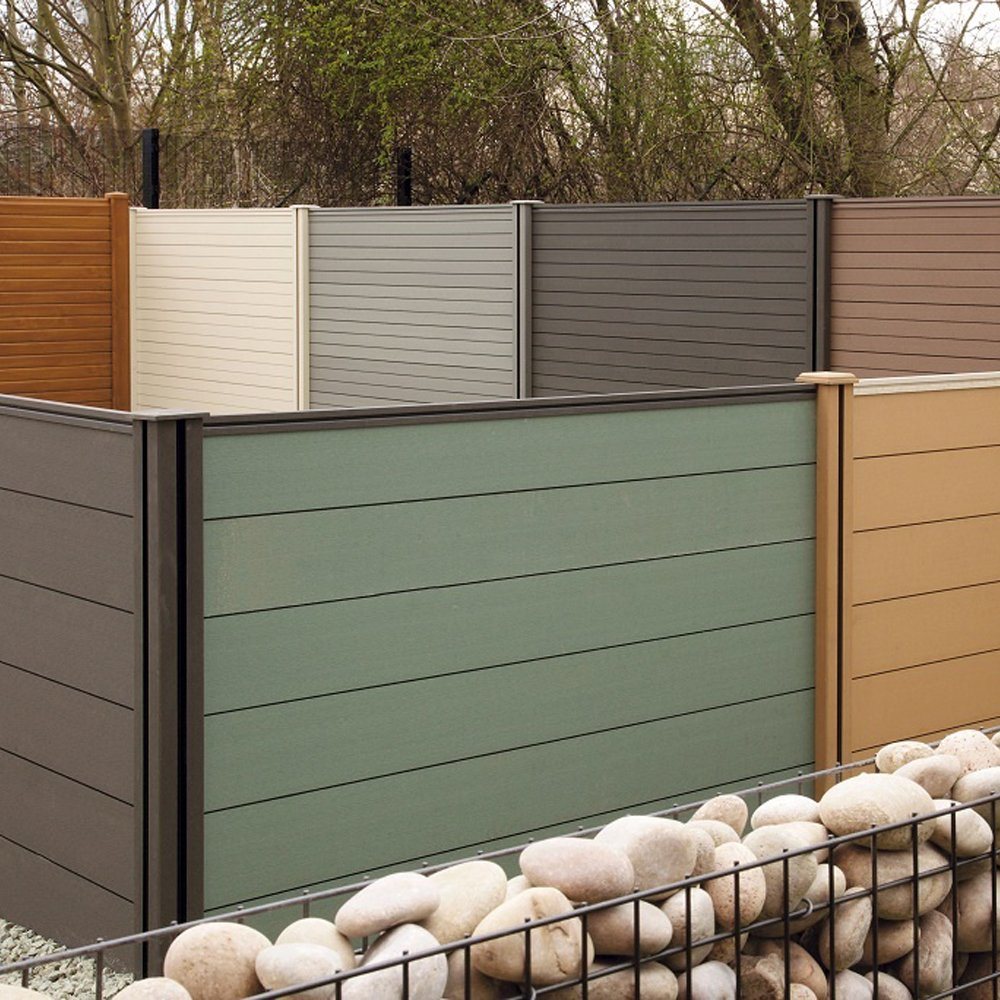
If you are planning to install a new fence for your backyard, WPC fencing is now one of the most popular options among homeowners and contractors across North America. Before you make a final decision, it is necessary to understand its real advantages and disadvantages.
What Is WPC Fence?
WPC stands for Wood Plastic Composite. It is manufactured with recycled wood fiber, HDPE resin, UV stabilizers and anti-aging additives. It perfectly combines the natural texture of real wood and the weather resistance of plastic, ideal for outdoor backyard, garden and lawn use.
Main Advantages of WPC Backyard Fence
Rot and Warp Resistant
Unlike natural wood, WPC material will not rot, crack, warp or split under heavy rain, snow and strong sunlight. It remains stable all year round.
Low Maintenance Cost
No painting, no staining, no regular anti-rust or anti-corrosion treatment. You only need simple water cleaning when it gets dirty. It saves much time and later labor cost.
UV & Fade Resistance
High-grade WPC fence is added with professional UV inhibitors, effectively slowing down color fading and aging, suitable for long-term outdoor exposure.
Natural Wood Grain Look
It comes with realistic wood grain and multiple classic colors. The appearance is elegant and matches most backyard landscape styles.
Eco-Friendly and Pet Safe
Made of recycled raw materials, non-toxic and odor-free. Safe for children, pets and garden living areas.
Disadvantages of WPC Fence
Higher Upfront Cost
The initial purchase price is higher than traditional wooden fence. But it saves maintenance and replacement cost in the long run.
Less Impact Strength Than Metal
WPC is durable for daily use, but not as strong as steel or aluminum fence in extreme heavy impact scenarios.
Limited Custom Carving Designs
It keeps standard panel styles, and is not easy to make complex carved shapes like solid wood.
Is WPC Fence Worth Installing for Your Backyard?
If you want long service life, zero daily maintenance, natural appearance and strong weather resistance, WPC fence is absolutely a worthwhile choice for your backyard. It is a cost-effective long-term solution for residential and commercial projects.
For full details about WPC fence types, installation and price range, please read our complete WPC fencing guide.
Average Profit Margin for WPC Fence Contractors
In the US and Canada, the average profit range stays stable:
- Gross markup margin:48% – 62%
- Net profit margin after labor:18% – 28%
- For bulk commercial projects:12% – 20%
- For residential backyard small jobs:25% – 32%
WPC fencing has become the most balanced option because its material cost is transparent and after-sales maintenance cost is almost zero, which avoids profit loss from repeated repairs.
Exact Cost Breakdown (Material + Accessories)
All data calculated per linear foot for standard 6ft privacy fence panel.
- WPC fence panel landed cost:$12.5 – $18.2 / LF
- Posts, rails, brackets & hardware:$5.8 – $9.5 / LF
- Delivery & local logistics:$1.2 – $2.5 / LF
Total material landed cost:
$19.5 – $30.2 per linear foot
No extra hidden cost such as anti-corrosion treatment, painting or annual renewal, which is the biggest profit advantage over traditional wood fence.
Standard Markup & Retail Selling Price
Contractors usually mark up based on landed cost:
- Standard residential markup:1.8x – 2.2x
- Retail installed price range:$38 – $65 / LF
For high-end co-extrusion WPC grade, the selling price can reach $70 – $85 / LF with almost the same material cost, bringing extra high margin.
Labor Cost vs Actual Net Profit
Average installation labor cost in North America:
$8 – $15 per linear foot
After deducting material cost and labor:
- Normal residential job net profit:$7 – $14 / LF
- A 100ft backyard project net income:$700 – $1,400
Compared with wood fence, WPC saves 30% of later after-sales labor, so the real comprehensive profit is 15%–20% higher in the long run.
Profit Comparison: WPC vs Wood vs Aluminum
- Wood fence:Gross margin 40%–50%, net margin only 8%–15% due to high maintenance and replacement
- Aluminum fence:High selling price, but material cost is high; net margin 16%–24%
- WPC fence:Stable net margin 18%–28%, low after-sales risk, repeat customer rate higher
For long-term contractor business, WPC has the lowest profit volatility and the most predictable income.
How to Boost WPC Fence Profit Margin
- Order full container directly from China factory to reduce unit cost by 12%–18%
- Mix standard grade and co-extrusion grade to raise average markup
- Sell matching posts, gates and accessories to increase extra profit per project
- Focus on residential backyard market instead of low-margin government commercial projects
- Provide 10-year warranty to support higher pricing without extra cost