Table of Contents
What is WPC Fence?
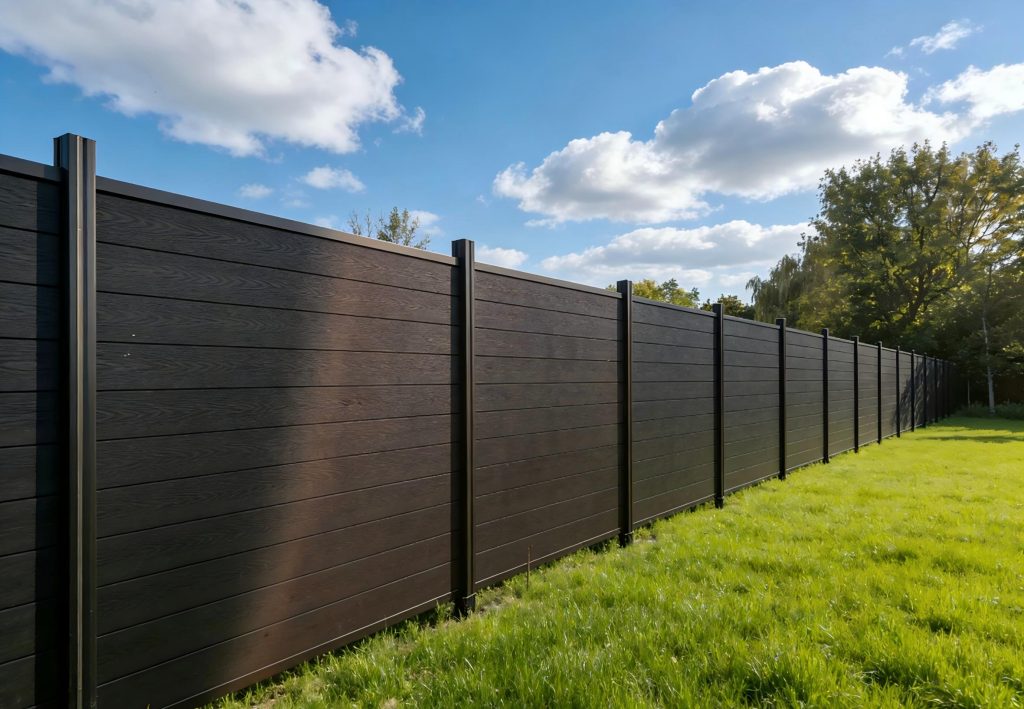
Wood-Plastic Composite (WPC) fences have become a highly sought-after choice in modern landscaping and construction, replacing traditional fencing materials like solid wood, steel, and concrete with their unique combination of functionality, aesthetics, and sustainability.
What is the features of WPC fence?
The core features of WPC fences are the key factors that make them stand out in the market. First and foremost is their exceptional durability and weather resistance. WPC fences can withstand harsh outdoor conditions, including intense sunlight, heavy rainfall, high humidity, extreme temperature changes, and even salt spray in coastal areas, without fading, cracking, warping, or rotting. The added UV stabilizers prevent discoloration and degradation caused by long-term sun exposure, allowing the fence to maintain its original appearance for 5 to 8 years. Secondly, WPC fences are eco-friendly and sustainable. Made from recycled wood and plastic materials, they reduce resource waste and alleviate environmental pressure; moreover, they are 100% recyclable at the end of their service life, complying with global green development trends. They are non-toxic, free of formaldehyde and other harmful substances, making them safe for families, pets, and the surrounding environment.
Another prominent feature of WPC fences is their low maintenance requirement. Unlike solid wood fences, which need regular sanding, painting, and anti-corrosion treatment to prevent rot and insect infestation, WPC fences only require occasional cleaning with clean water and neutral detergent to remove dust, dirt, or stains. They do not need painting, staining, or sealing, which saves a great deal of time, labor, and maintenance costs over the long term. Additionally, WPC fences offer strong design versatility. They can be engineered to mimic various natural wood grains and textures, and are available in a wide range of colors, from classic wood tones (such as oak, pine, and walnut) to modern solid colors (such as gray, beige, and brown), enabling them to blend seamlessly with different architectural styles and landscaping designs. They can also be easily cut, drilled, and shaped into different heights and styles, meeting diverse functional and aesthetic needs.