
Importing Metal Horse fence from China
Metal horse fencing offers superior strength, durability, and security, making it an excellent choice for horse enclosures. Whether you need to secure a small paddock or a large pasture, metal fencing provides a robust solution that can withstand the test of time and the challenges of managing horses.
Metal Ranch Horse Fence Manufacturer
Welcome to Weifang Jinzita Metalworks, your trusted partner in providing top-quality metal ranch horse fencing solutions. With years of experience in the industry, we pride ourselves on manufacturing durable, secure, and aesthetically pleasing fencing options that meet the highest standards of safety and performance.
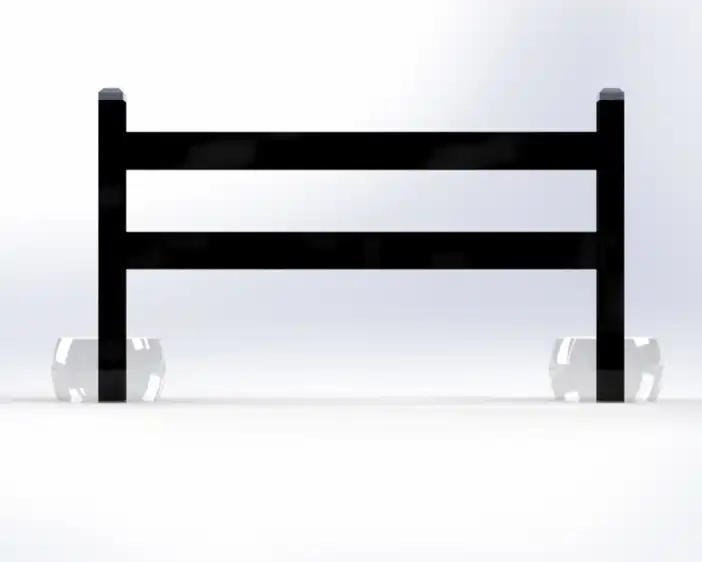
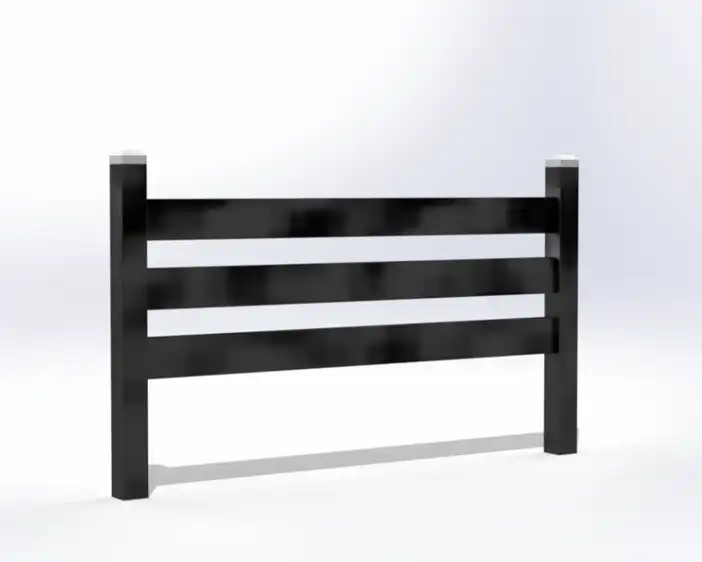
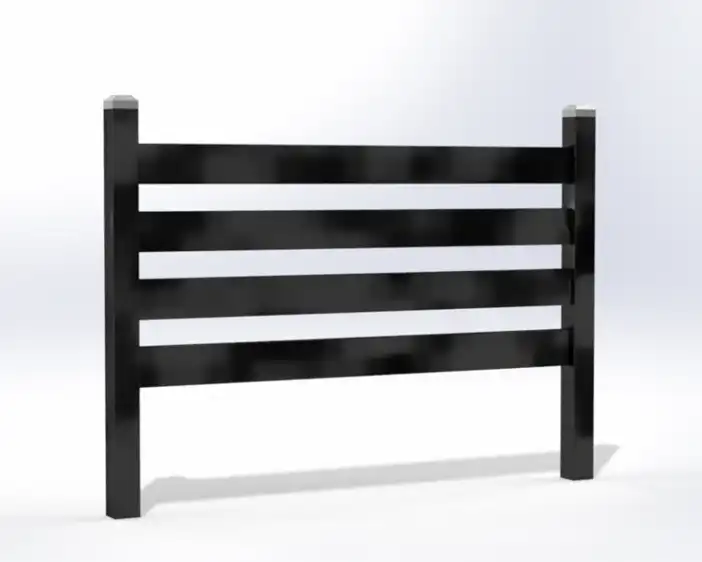
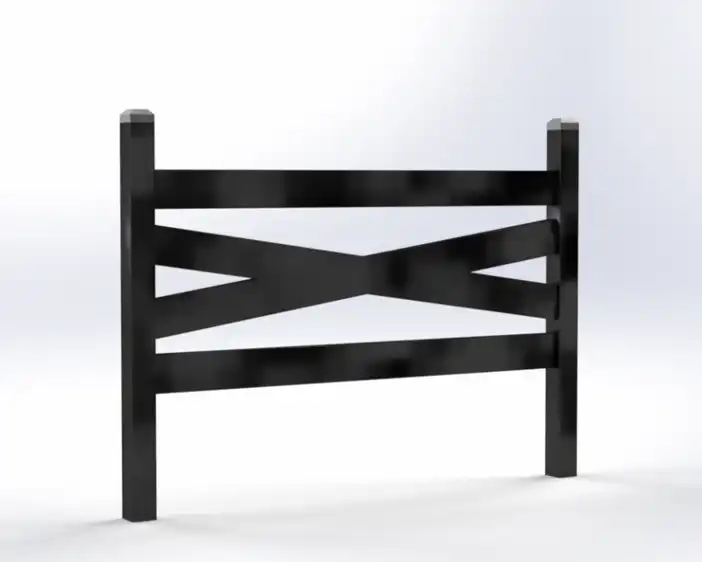
Ranch Horse Fence Main Size
Hot Dipped Galvanized Steel Horse Fence Details:
Rail:50x150x2.0mm Post:100x100x2.5mm
Thickness: Customized
Post Cap:1pc
Color:Available in white or black or customized
Aluminum Horse Fence Details:
Rail:50x100x2.0mm
Post:100x100x3.0
Post Cap:1pc
Thickness: Customized
Post Cap:1pc
Color:Available in white or black or customized
Select metal horse fence posts
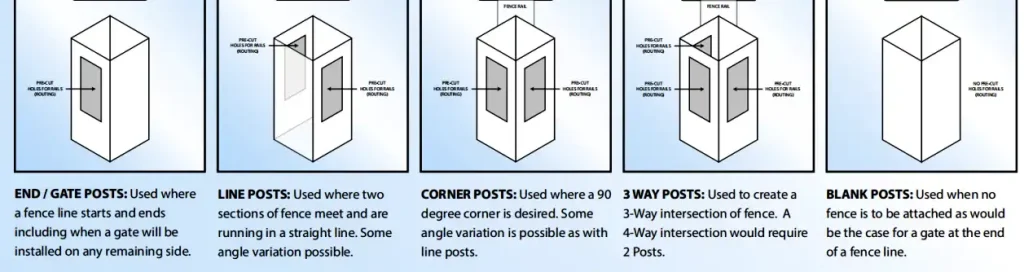
End / Gate Posts: Used where a fence line starts and ends including when a gate will be installed on any remaining side.
Line Posts: Used where two sections of fence meet and are running in a straight line. Some angle variation possible.
Corner Posts: Used where a 90 degree corner is desired. Some angle variation is possible as with line posts.
3 Way Posts: Used to create a 3-Way intersection of fence. A 4-Way intersection would require 2 Posts.
Blank Posts: Used when no fence is to be attached as would be the case for a gate at the end of a fence line.
Metal Horse Fence Installation Instruction
Step 1
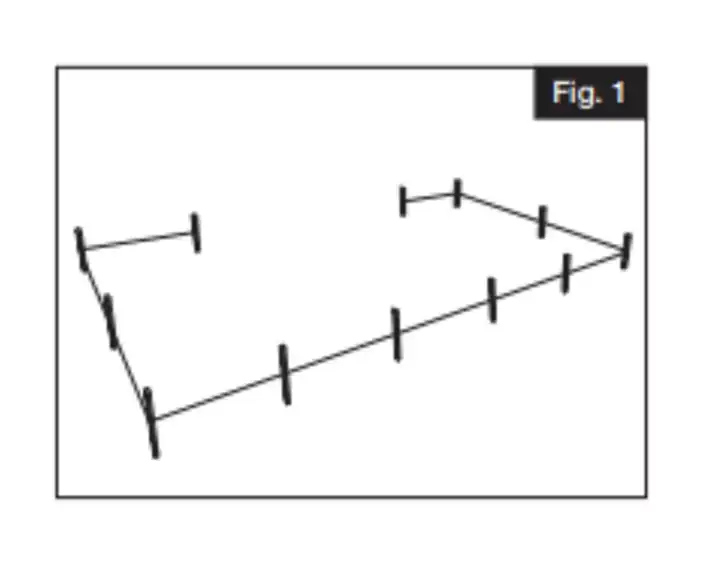
Mark the fence location using string and line stakes (Fig. 1).
Note: Plan gate placement, opening and hardware clearance before installing fencing.
Step 2
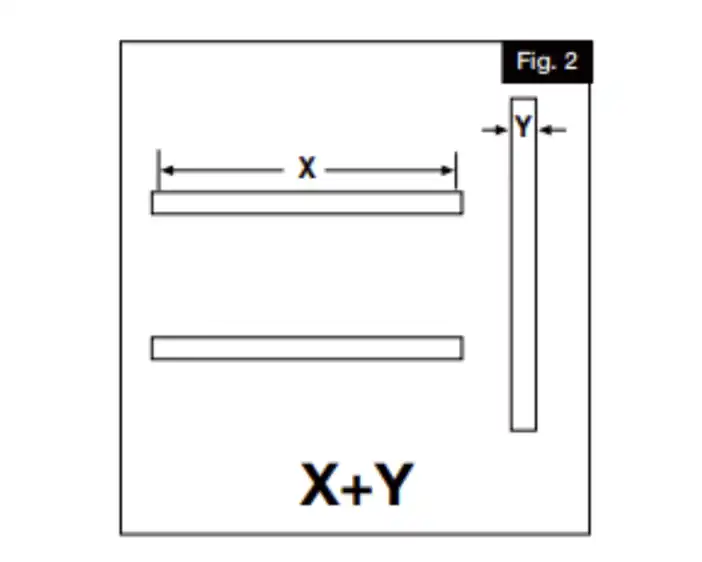
Post Location: Measure the width of the rails (X) plus the width of the post (Y). This is the common center-to-center measurement (unless there is a cut-down rail) for post hole location (Fig. 2).
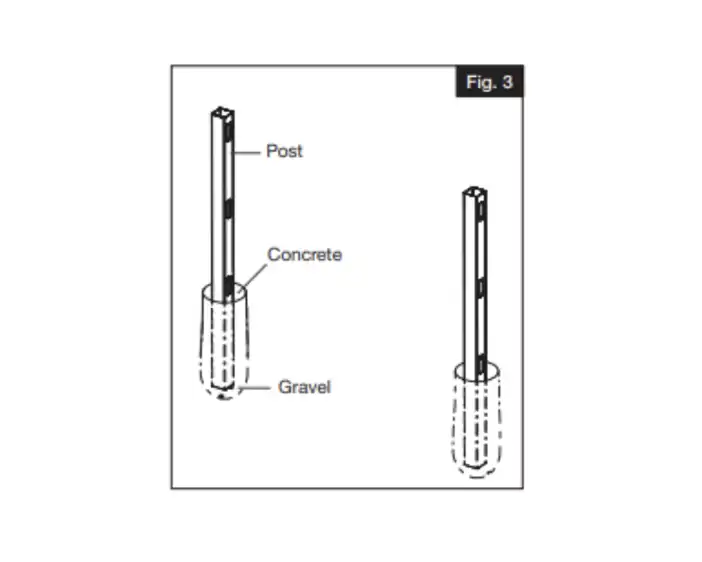
Post Installation: Dig the first two post holes. Hole size should be dug based on the following determination: Depth is determined by your local frost line measurements plus 6″ for gravel/filler (Fig. 3). Width is 10″.
Step 3
Insert 6″ of gravel/filler into the bottom of both holes and then set both posts into the ground and level the first post. Add wet or dry concrete mix according to the manufacturer’s instructions to the top of the first post hole (Fig. 3). Make sure rails will be at least 2″ above the ground.
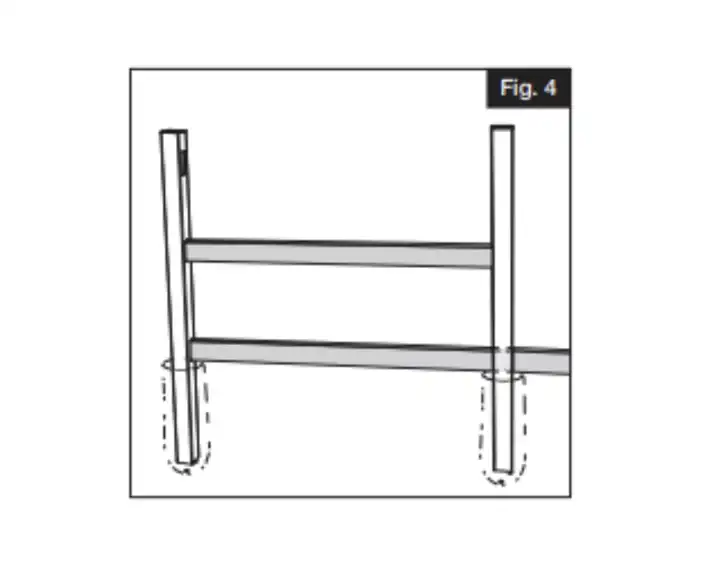
Step 4
For 2-Rail, 3-Rail, & 4-Rail, insert bottom rail into bottom post route hole of first post only, then do the same for the middle & top rails accordingly. If using 16′ Rails, alternate rails so rail ends do not begin at the same post (Fig. 4).
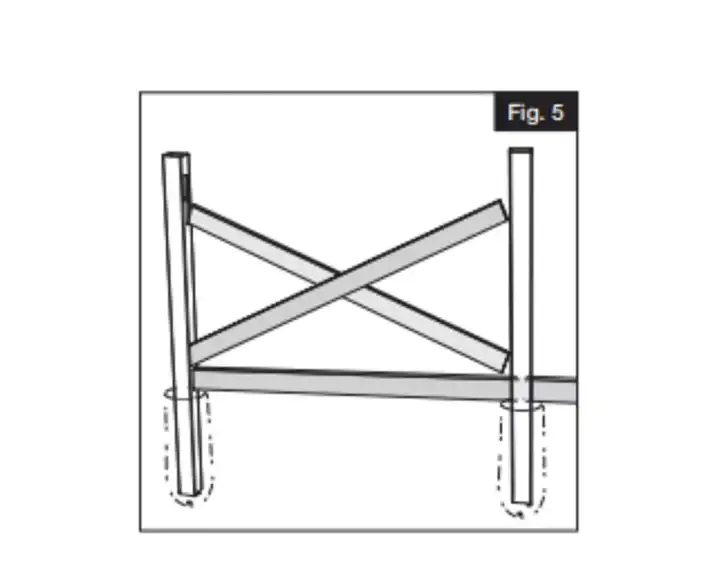
Step 5
For Crossbuck Styles, insert bottom rail into bottom post route hole, then first cross rail, followed by second cross rail, and finally the top rail accordingly (Fig. 5)
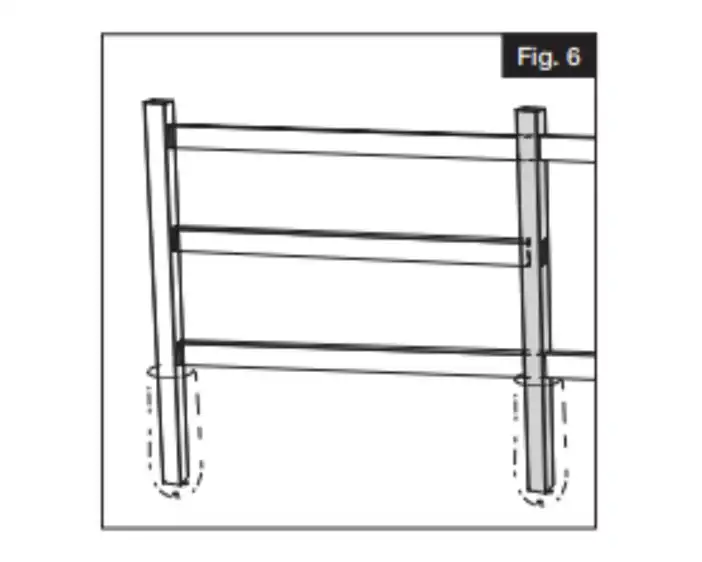
Step 6
Insert the rails into the route holes of the second fence post and continue process for the rest of set posts.
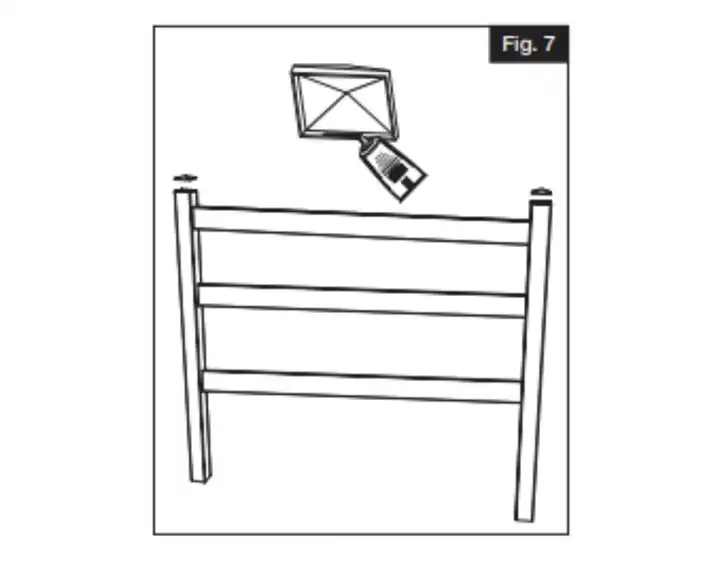
Step 7
Apply glue on the inside rim of post tops then attach to posts (Fig. 7). Repeat these steps until completed.
Gate Installation Instruction:
The following is based on an assembled gate that is properly sized for opening.
Single Gate Instruction:
Do not pre-set both gate posts in concrete! You can pre-set
hinge post in concrete, however do not pre-set latch post.
After the gate is hung, make sure the spacing is correct and gate
swings properly between posts before you use concrete for the latch post.
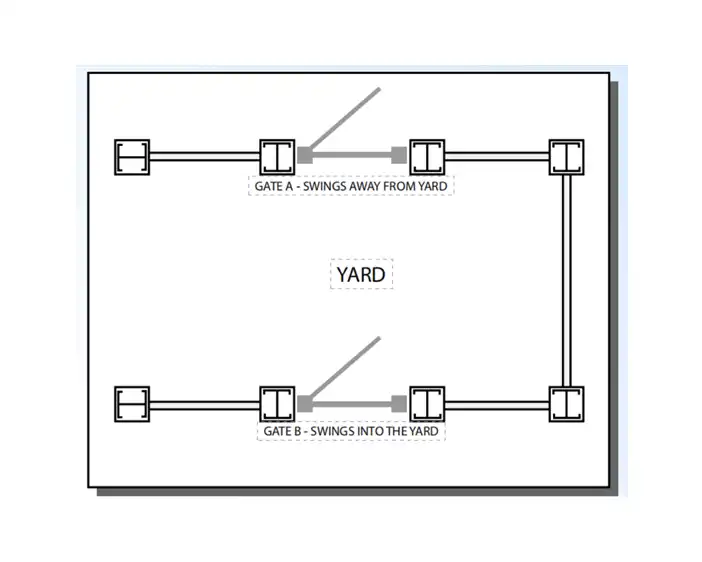
‘Determine the direction the gate is to swing, usually swings
into yard. Be sure to check your local codes!
Gate A – Swings Away From Yard
- Do not pre-set both gate posts in concrete! You can pre-set
hinge post in concrete, however do not pre-set latch post.
- After the gate is hung, make sure the spacing is correct and gate
swings properly between posts before you use concrete for
the latch post.
- Determine the direction the gate is to swing, usually swings
into the yard. Be sure to check your local codes!
- If you have aluminum post inserts, install before the
installation of the gate: If you do not have inserts you must
Will hinge post with concrete and rebar after the gate
installation.
Locate and follow hardware installation instructions.
The gate will be mounted to be flush with the side of the fence that the gate will be See the illustration to the right.
Be sure the gate will be to clear obstructions such as snow. The gate posts should be cut on-site as needed. Some installers cut the gate posts off at the bottom of the bottom gate pocket. DO NOT cut into the gate pocket.
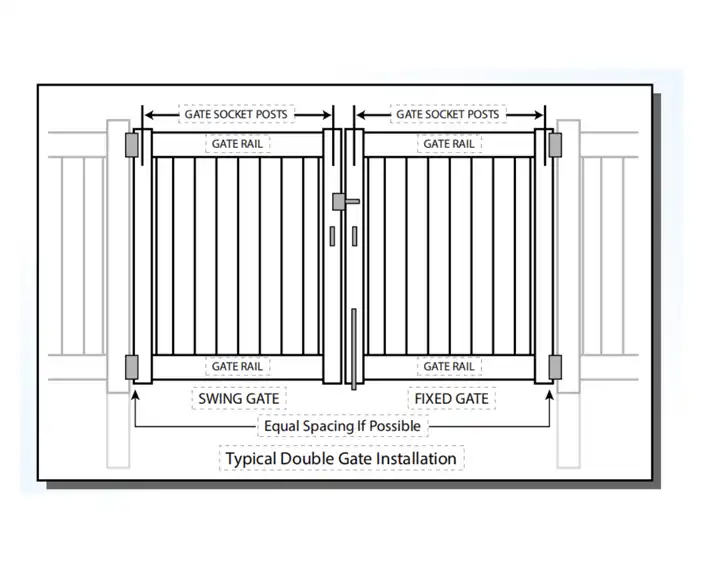
Double Gate Instructions:
- Follow the same instructions as per a singleGate when installing the hinges for both gates.
- To calculate the variances for the latch youmust treat the fixed gate as if it were a standard fence panel.
- The ideal hardware installation on a doublegate should have equal spacing between posts and gates.
- Install the Drop Rod to post of the fixed gate.
Why Choose Metal Ranch Horse Fence?
Metal ranch horse fencing offers several advantages that make it a popular choice for enclosing horse pastures and properties:
- Durability:
Metal fences, particularly those made from high-quality materials like galvanized steel or aluminum, are highly resistant to rust, corrosion, and weathering, ensuring a long lifespan.
- Impact Resistance: Metal fencing can withstand significant impacts without damage, making it ideal for containing large, strong animals like horses.
- Low Maintenance:
Minimal Upkeep: Unlike wood, metal fences do not require regular painting or staining. Occasional inspections and minor repairs keep them in good condition.
Resistant to Pests and Rot: Metal is impervious to termites, pests, and rot, reducing the need for ongoing maintenance.
- Safety:
Secure Containment: Metal fencing provides a secure barrier that prevents horses from escaping or intruders from entering.
- Smooth Surfaces: Modern metal fencing designs ensure smooth edges and surfaces, minimizing the risk of injury to horses.
- Aesthetic Appeal:
- Sleek Design: Metal fences offer a sleek, modern look that can enhance the visual appeal of any property.
- Variety of Styles: Available in various styles and finishes, metal fencing can be customized to suit different aesthetic preferences.
- Environmental Benefits:
- Recyclable: Metal is fully recyclable, making it an environmentally friendly option.
- Sustainable Materials: Many metal fences are made from recycled materials, contributing to sustainability efforts.
Metal Horse Fence FAQs?
1. What are the benefits of using metal fencing for horses?
Metal fencing is known for its durability, strength, and low maintenance. It provides a secure barrier that can withstand the elements and the physical impact from horses, reducing the need for frequent repairs.
2. What types of metal are commonly used for horse fencing?
Common metals used for horse fencing include steel, aluminum, and galvanized metal. Steel is highly durable and strong, aluminum is lightweight and resistant to rust, and galvanized metal offers protection against corrosion.
3. Is metal fencing safe for horses?
Yes, metal fencing can be very safe for horses if installed correctly. It is important to ensure that there are no sharp edges or protrusions that could injure the animals. Rounded edges and smooth surfaces are preferable.
4. How does the cost of metal horse fencing compare to other types of fencing?
Metal fencing can be more expensive upfront compared to wood or vinyl fencing. However, its durability and low maintenance requirements can make it more cost-effective in the long run due to fewer repair and replacement costs.
5. Can metal fencing withstand harsh weather conditions?
Yes, metal fencing is highly resistant to harsh weather conditions, including heavy rain, snow, and strong winds. Metals like galvanized steel and aluminum do not rust easily, making them ideal for various climates.
6. How do you maintain metal horse fencing?
Metal fencing requires minimal maintenance. Regular inspections for rust or damage, occasional cleaning to remove dirt and debris, and repainting or applying protective coatings as needed can keep the fencing in good condition.
7. Is it possible to electrify metal horse fencing?
Yes, metal fencing can be electrified to enhance security and prevent horses from leaning on or pushing against the fence. However, it should be done carefully to ensure the safety of the horses and to comply with local regulations.
8. How long does metal horse fencing typically last?
With proper maintenance, metal horse fencing can last for several decades. The longevity depends on the type of metal used and the environmental conditions it is exposed to.
9. Can metal fencing be customized for different needs?
Yes, metal fencing can be customized in terms of height, thickness, design, and color to suit specific needs and preferences. Customization options can also include gates and additional security features.
10. Are there any environmental concerns with metal fencing?
Metal fencing can be environmentally friendly if it is made from recyclable materials. Many types of metal fencing can be recycled at the end of their lifespan, reducing environmental impact.
Quote Us Now