
Selecting the right wire gauge for horse fencing is crucial for ensuring the safety and security of your equine companions. The gauge of the wire directly impacts its strength, durability, and effectiveness in containing horses.
In this guide, we’ll explore the different wire gauges suitable for horse fencing, their advantages, and how to choose the best one for your needs.
What Is Wire Gauge
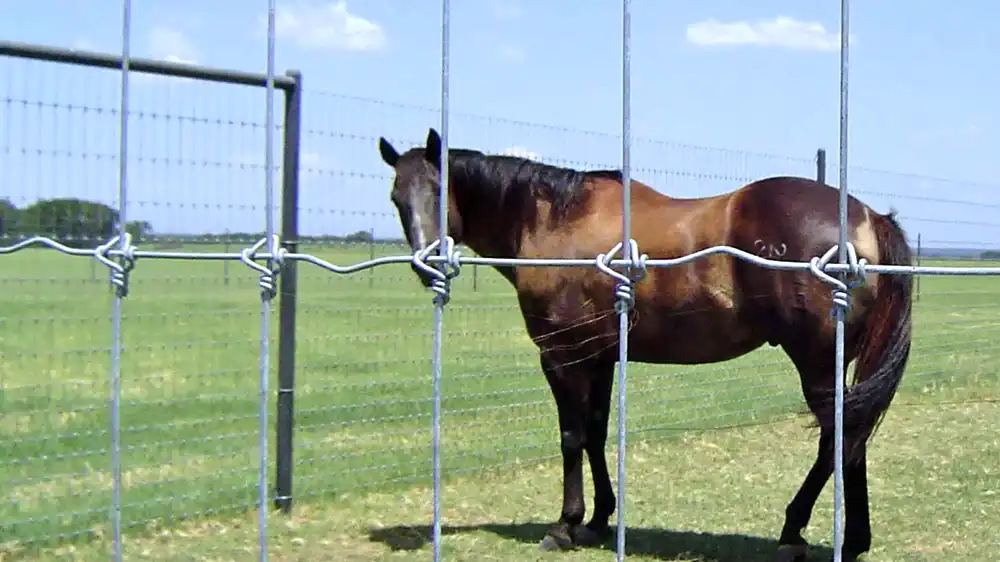
Wire gauge is a standardized measurement system used to denote the thickness or diameter of a wire. It is an essential specification in various applications, including electrical work, fencing, jewelry making, and manufacturing. Understanding wire gauge is crucial because the gauge affects the wire’s strength, flexibility, and capacity to carry electrical current. Here’s a detailed look at wire gauge, its measurement systems, and its importance in different fields.
Wire gauge refers to the thickness of the wire. The gauge number is inversely related to the wire thickness – the lower the gauge number, the thicker the wire. For horse fencing, the wire gauge typically ranges from 12 to 16.
Here’s a closer look at the common wire gauges used in horse fencing:
12-Gauge Wire
- Strength: 12-gauge wire is one of the thickest options available for horse fencing. It offers exceptional strength and durability, making it suitable for areas with high traffic or where large, powerful horses are kept.
- Durability: The thick wire resists bending and breaking, ensuring long-term reliability.
- Usage: Ideal for perimeter fencing and high-stress areas.
12.5 Gauge Horse Fence
- Strength: 12.5-gauge wire is a popular choice for horse fencing due to its balance of strength and flexibility. It offers excellent durability while being easier to work with than thicker 12-gauge wire.
- Durability: Strong enough to withstand significant pressure from horses and environmental factors, making it a reliable option for many fencing needs.
- Usage: Suitable for both perimeter fencing and interior fencing, providing a robust and secure barrier for horses.
14-Gauge Wire
- Strength: Slightly thinner than 12-gauge wire, 14-gauge wire still provides considerable strength and durability.
- Durability: It is a good balance between strength and ease of handling, making it a popular choice among horse owners.
- Usage: Suitable for general fencing needs, including both perimeter and interior fencing.
16-Gauge Wire
- Strength: 16-gauge wire is thinner and more flexible than 12- or 14-gauge wire. While it offers less strength, it is still effective for certain fencing applications.
- Durability: Easier to install and manipulate, but it may not withstand high pressure from large or aggressive horses.
- Usage: Best used for temporary fencing, interior dividers, or areas with less stress.
Factors to Consider When Choosing Wire Gauge
When selecting the wire gauge for your horse fence, consider the following factors:
Horse Size and Behavior
- Size: Larger, more powerful horses require thicker wire (lower gauge) to prevent breakage and escapes.
- Behavior: Horses that are prone to leaning on or pushing against the fence need stronger wire to ensure containment.
Fence Purpose and Location
- Perimeter Fencing: For perimeter fencing, opt for thicker wire to provide a strong, durable barrier.
- Interior Dividers: Interior dividers can often use thinner wire, as they generally experience less stress and wear.
Environmental Conditions
- Weather: In areas with harsh weather conditions, thicker wire may offer better resistance to environmental stress.
- Terrain: For uneven or challenging terrain, a thicker wire may provide more stability and durability.
Benefits of Using the Correct Wire Gauge
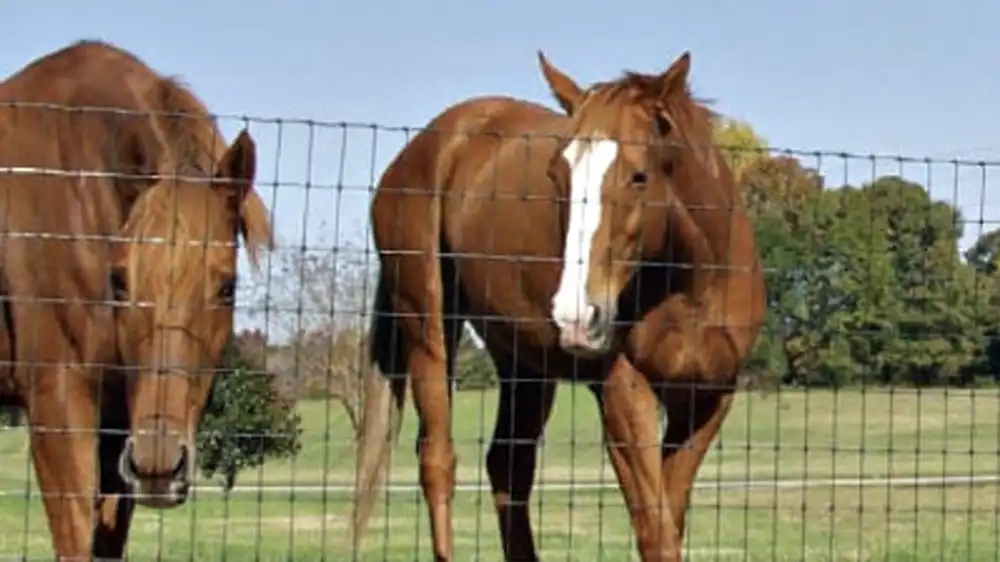
Choosing the appropriate wire gauge for your horse fencing is vital for ensuring the safety and well-being of your horses, as well as the longevity and effectiveness of the fence. Here are some key benefits of using the correct wire gauge:
1. Enhanced Safety
Thicker Wire Reduces Breakage: Using a thicker wire gauge, such as 12 or 12.5 gauge, significantly reduces the risk of horses breaking through the fence. This is particularly important for larger or more powerful horses that may lean on or push against the fence.
Minimizes Injuries: Properly gauged wire minimizes the risk of injuries from sharp edges or broken wires. Thicker wires are less likely to snap, which can prevent cuts and other injuries to your horses.
2. Improved Durability
Withstands Daily Wear and Tear: A suitable wire gauge ensures that the fence can endure the daily activities of the horses, including rubbing against or bumping into the fence. Thicker wires, such as 12-gauge, are more resistant to bending and breaking.
Resistance to Environmental Factors: Thicker wire gauges are better equipped to withstand harsh weather conditions, such as heavy winds, rain, and snow. This durability helps maintain the integrity of the fence over time, reducing the need for frequent repairs.
3. Cost-Effective in the Long Run
Reduced Maintenance Costs: Investing in a thicker, more durable wire gauge can save money in the long run by reducing the frequency and cost of repairs. A well-maintained fence with the correct wire gauge is less likely to require constant upkeep.
Longevity of the Fence: Using the appropriate wire gauge extends the lifespan of the fence. A durable fence constructed with thicker wire will last longer, providing a better return on investment over time.
4. Optimal Containment and Security
Reliable Containment: Proper wire gauge ensures that the fence provides reliable containment for your horses. This is especially important for perimeter fencing, where the primary goal is to prevent horses from escaping and to keep out potential predators.
Psychological Barrier: Thicker wire gauges can also act as a stronger psychological barrier for horses. When horses see and feel a sturdy, well-constructed fence, they are less likely to challenge it.
5. Ease of Installation and Handling
Balance of Strength and Flexibility: Gauges like 12.5 provide a balance between strength and flexibility, making them easier to handle and install without sacrificing durability. This can make the installation process more efficient and less labor-intensive.
Versatility: Different wire gauges can be used for various fencing needs, from perimeter fencing to interior dividers. Selecting the correct gauge ensures that the fence is tailored to the specific requirements of each area.
Conclusion
Selecting the appropriate wire gauge for your horse fence is essential for creating a safe and secure environment for your horses. While 12-gauge wire offers maximum strength and durability, 14-gauge wire provides a balanced option suitable for most fencing needs. Thinner 16-gauge wire is best reserved for temporary or low-stress applications. Consider your horses’ size and behavior, the fence’s purpose, and environmental conditions when making your decision.
Investing in the right wire gauge not only ensures the safety and well-being of your horses but also enhances the longevity and effectiveness of your fencing system. For expert advice and high-quality wire fencing materials, reach out to us today and make the best choice for your equine companions.