
Pacing the fence is a common issue that many horse owners encounter. This repetitive behavior, where a horse continuously walks or trots along a fence line, can be both concerning and frustrating.
Pacing is often a sign of underlying stress, anxiety, or boredom and can lead to physical wear and tear on the horse. Understanding the root causes of this behavior is crucial to effectively addressing and mitigating it.
In this blog, we will explore various strategies to help stop a horse from pacing the fence, ensuring a happier and healthier environment for your equine companion.
How to Stop a Horse From Pacing the Fence
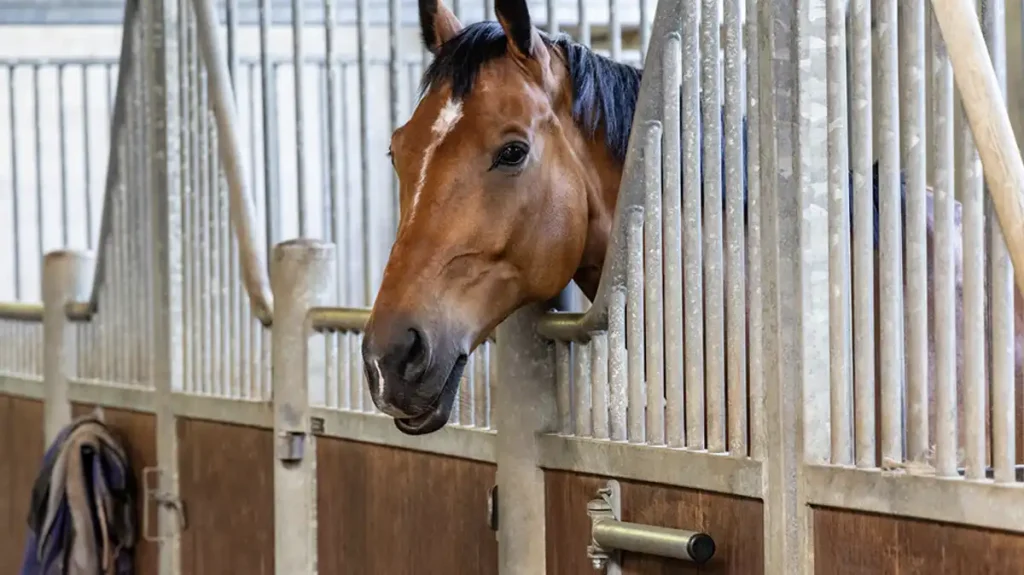
To stop a horse from pacing the fence, there are several effective strategies you can employ, focusing on understanding and addressing the root causes of this behavior.
- Identify the Cause: Horses often pace due to stress, anxiety, boredom, or discomfort. It’s important to determine why your horse is pacing to address the underlying issue appropriately.
- Increase Turnout Time: Ensure your horse has ample time outside of its stall. Horses need time to move freely, socialize, and engage in natural behaviors, which can significantly reduce pacing.
- Provide Stimulation and Enrichment: Introduce toys and objects to keep your horse occupied. Examples include exercise balls, treat dispensers, and hanging toys. These can help alleviate boredom and reduce anxiety.
- Companion Animals: Horses are social animals, and providing a companion, such as another horse or even a smaller animal like a goat, can help reduce stress and prevent pacing.
- Professional Help: If the pacing persists, consider consulting a professional trainer or equine behaviorist. They can offer specialized training techniques and behavior modification strategies to help your horse.
- Address Medical Issues: Ensure that no underlying medical problems are causing the pacing, such as pain or discomfort. A veterinarian can help rule out conditions like laminitis, colic, or neurological issues.
- Environmental Adjustments: Sometimes, changing the horse’s environment can make a big difference. This might include moving the horse to a quieter area away from stressors or adjusting the herd dynamics if the horse is in a paddock with other horses.
By implementing these strategies, you can help reduce or eliminate your horse’s pacing behavior, ensuring a happier and healthier horse.
How to Stop Horses Chewing Fence Rails
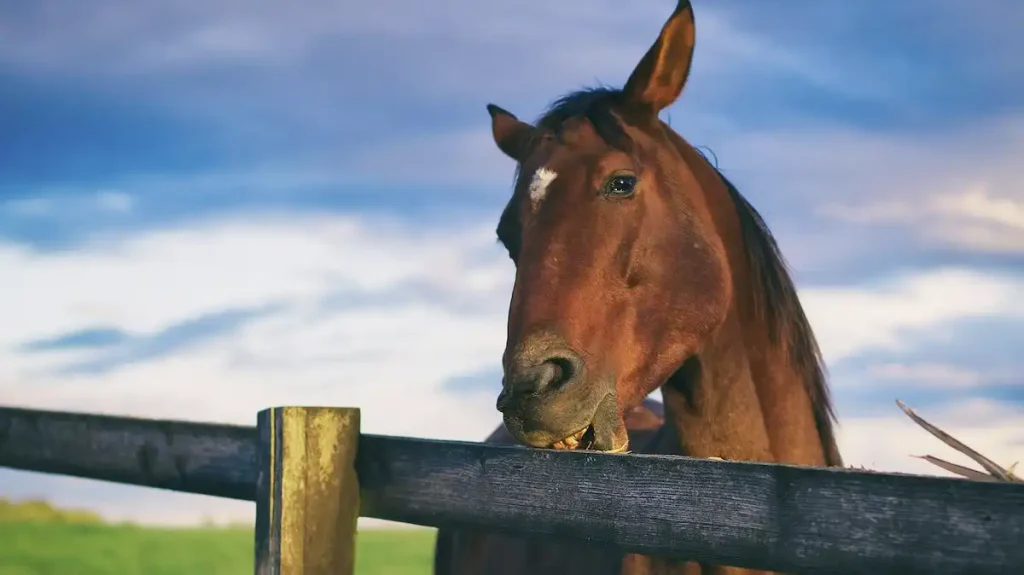
To prevent horses from chewing fence rails, several effective strategies can be implemented, addressing both the physical and behavioral aspects of this issue:
Behavioral Management:
Increase Turnout and Exercise: Horses often chew out of boredom or stress. Increasing their turnout time and providing regular exercise can help mitigate these feelings. Ensuring they have social interaction with other horses can also reduce stress-induced chewing
Provide Forage: Horses have a natural need to chew and produce saliva. Offering ample long-stem forage, such as hay, can satisfy this need and reduce the likelihood of them turning to wood chewing.
Enrichment: Introducing horse-safe toys and enrichment activities in their environment can keep them occupied and less likely to chew on fences.
Physical Deterrents:
Electric Fencing: Installing electric wires along the top of wooden fences can effectively deter horses from chewing. The mild shock they receive when touching the fence mimics the natural consequences of herd dynamics, encouraging them to avoid the fence.
Protective Barriers: Covering wooden surfaces with metal caps or chicken wire can prevent horses from being able to chew on them. These physical barriers make it difficult and unpleasant for horses to chew, thereby protecting the wood.
Anti-Chew Coatings: Applying non-toxic anti-chew sprays or paints that have a bitter taste can discourage horses from chewing the treated surfaces. These products need to be safe for horses and should be reapplied periodically for continued effectiveness.
Addressing Underlying Health Issues:
Veterinary Check-ups: Sometimes, wood chewing can indicate underlying dental issues or digestive problems like gastric ulcers. Regular dental exams and appropriate treatments for any identified health issues can help reduce this behavior.
Nutritional Balance: Ensuring that horses receive a balanced diet with adequate minerals and nutrients can prevent deficiencies that might lead to chewing. Consulting with an equine nutritionist can provide tailored dietary recommendations.
By combining these strategies, horse owners can effectively manage and reduce the problem of fence chewing, ensuring the well-being of their horses and the longevity of their fencing.
How to Stop Horses Rubbing on Fences
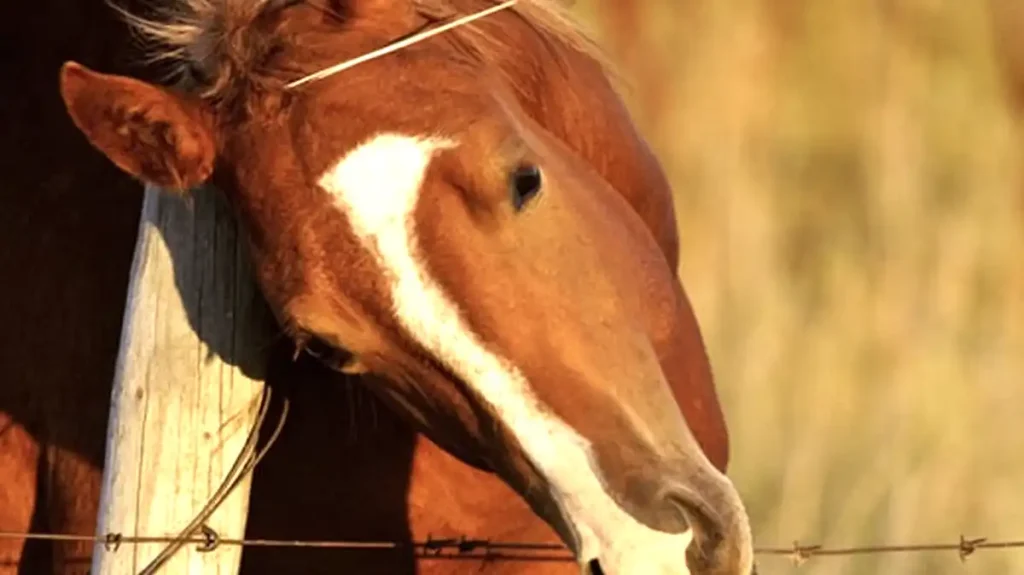
To stop horses from rubbing on fences, it’s important to address the underlying causes and implement effective management strategies:
- Identify and Treat Itching Causes: Regularly clean udders and sheaths to prevent discomfort from buildup, which can cause horses to rub against fences. Tail itching from parasites or dry skin should be managed with regular grooming, appropriate shampoos, and insect repellents.
- Electric Fencing: Adding electric fence tape along the interior of your existing fence can effectively deter horses from rubbing against it. The mild shocks from the electric fence teach horses to avoid the fence altogether.
- Provide Scratching Alternatives: Install scratching posts or stations equipped with brushes or brooms, allowing horses to scratch themselves without damaging fences. These can be cost-effective and reduce wear on your fencing.
- Stable Management: If horses tend to rub after meals or at specific times, consider stabling them during these periods to break the habit. This can be a temporary solution while addressing the root cause.
- Regular Health Checkups: Keep up with health checkups to identify any skin conditions or parasites early. Maintaining a balanced diet with necessary supplements can also promote a healthy coat, reducing the need to rub.
By combining these strategies, you can effectively prevent your horses from rubbing on fences, thereby protecting both your animals and your property.
How to Stop a Horse From Fence Walking
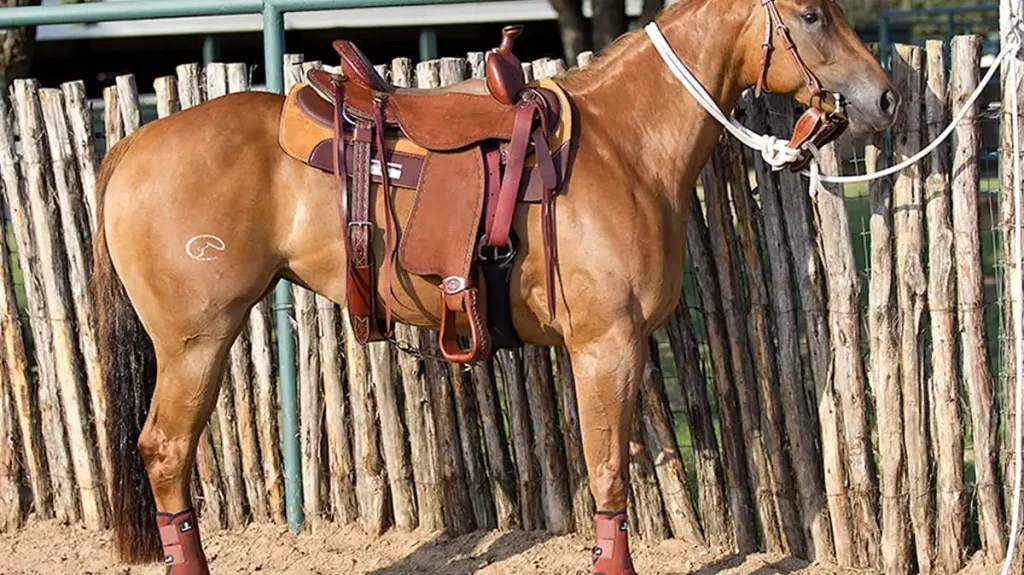
Fence walking, also known as pacing, is a common behavior in horses that can be caused by various factors such as stress, anxiety, boredom, or the need for social interaction. Here are some effective strategies to help stop this behavior:
Increase Social Interaction: Horses are herd animals and often pace when they feel isolated. Providing your horse with a companion can significantly reduce fence walking. If it’s not possible to add another horse to the same paddock, ensure your horse can at least see and interact with other horses over the fence.
Environmental Enrichment: Keeping your horse mentally stimulated can help alleviate boredom and reduce pacing. Introduce toys such as exercise balls, treat dispensers, or hanging toys. These can keep your horse occupied and provide a distraction from pacing.
Regular Exercise and Turnout: Ensure your horse has ample time to exercise and roam freely. Regular turnout in a larger area allows your horse to expend energy and reduces the stress that can lead to fence walking. Longer and more frequent turnout sessions can be particularly beneficial.
Establish a Routine: Horses thrive on routine and structure. Try to maintain a consistent daily schedule for feeding, turnout, and exercise. This predictability can reduce anxiety and the likelihood of pacing.
Modify the Environment: Sometimes changing the layout of the paddock or introducing obstacles can deter fence walking. Placing poles or other objects along the fence line can break the habit by forcing the horse to navigate around them, which can disrupt the pacing pattern.
Address Underlying Health Issues: Ensure that the pacing is not due to any underlying health problems. Consult with a veterinarian to rule out any physical causes of stress or discomfort that may be contributing to the behavior.
By implementing these strategies, you can help your horse feel more secure, engaged, and relaxed, ultimately reducing or eliminating the fence walking behavior.
Stop Horses Chewing Fence Posts
Fence post chewing, or wood chewing, is a common issue among horses and can lead to significant damage to fencing and potential health problems for the horses. Here are several effective strategies to prevent this behavior:
Increase Forage and Dietary Enrichment:
- Provide Ample Forage: Ensure your horse has continuous access to good-quality hay or pasture. Chewing behavior often stems from the need to satisfy their natural grazing instincts. By providing plenty of forage, you can reduce their inclination to chew on wood.
- Introduce Supplements: Sometimes, horses chew wood due to mineral deficiencies. Adding a salt block or mineral lick to their diet can help ensure they are getting the necessary nutrients.
Environmental Enrichment and Toys:
- Offer Chewable Alternatives: Providing safe toys or treats that satisfy their need to chew can divert their attention from fence posts. Items like horse-safe chew toys, branches, or specially designed treat dispensers can be beneficial.
Physical Barriers and Deterrents:
- Install Electric Fencing: Placing an electric wire along the top of wooden fences can deter horses from chewing. The mild shock they receive when attempting to chew acts as an effective deterrent.
- Use Protective Covers: Applying metal caps or wire mesh over wooden surfaces can physically prevent horses from accessing the wood. These barriers make chewing difficult and unpleasant for the horse.
- Apply Anti-Chew Coatings: Non-toxic anti-chew sprays or paints with a bitter taste can discourage horses from chewing on treated surfaces. These need to be reapplied regularly to maintain their effectiveness.
Addressing Behavioral and Health Issues:
- Regular Veterinary Checkups: Ensure there are no underlying health issues, such as dental problems or gastrointestinal discomfort, causing the horse to chew. Regular vet visits can help identify and treat any such conditions
- Provide Social Interaction: Horses are social animals, and isolation can lead to stress-related behaviors like wood chewing. Ensure your horse has adequate social interaction with other horses to reduce stress and boredom.
Conclusion
Stopping a horse from pacing the fence involves a multifaceted approach that addresses the root causes of this behavior. By increasing social interaction, providing environmental enrichment, ensuring regular exercise and turnout, establishing a routine, modifying the environment, and addressing any underlying health issues, you can help your horse feel more secure and reduce or eliminate pacing. Consistent efforts and understanding of your horse’s needs will lead to a happier and healthier equine companion.
If you’re looking to improve your fencing setup to better manage your horse’s environment, consider exploring our range of high-quality horse fences designed to meet your needs. Visit our website today to find the perfect solution for your horse’s well-being.
Welcome to get horse fences now!
For more detailed guidance, visit our website and contact us at any time if you are interested in our horse fences!