
When it comes to building an effective and safe horse fence, the height of the fence is a critical consideration. The appropriate fence height can vary depending on several factors, but there are some general guidelines to follow to ensure your horses remain securely contained.
Minimum Fence Height for Horses
The minimum recommended height for a horse fence is 4 to 5 feet (122 to 152 cm).
This height provides a sufficient barrier to prevent most horses from attempting to jump over the fence. Anything shorter than 4 feet may not be tall enough to deter even smaller or younger horses from trying to clear the fence.
Optimal Fence Height for Horses
While the minimum height is 4 to 5 feet, the optimal height for a horse fence is typically 5 to 6 feet (152 to 183 cm).
This additional height provides an extra layer of security and can help prevent horses from attempting to jump over the fence, even if they are startled or spooked.
Factors Affecting Horse Fence Height
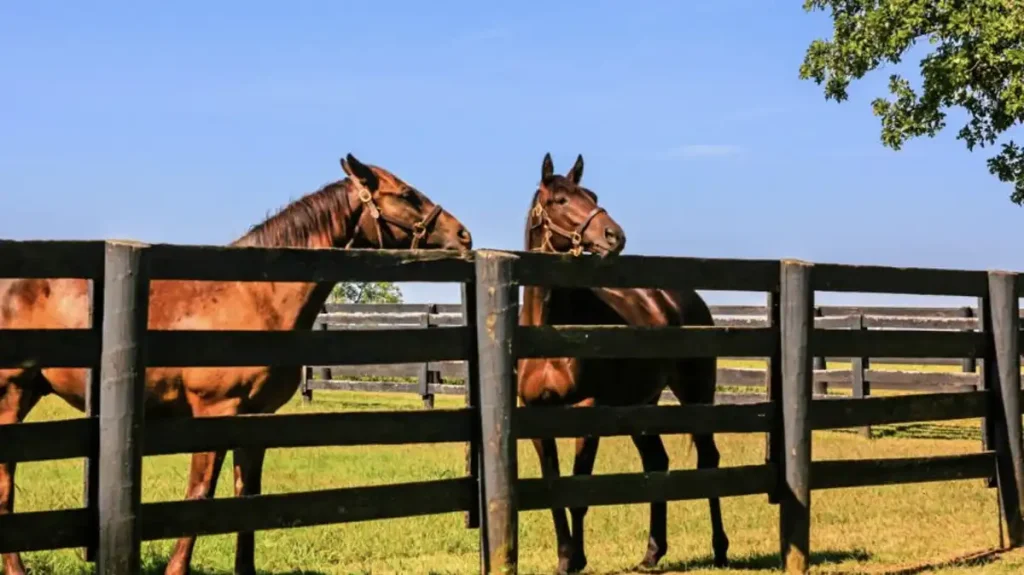
When determining the ideal height for a horse fence, several factors must be considered to ensure the safety and containment of your horses. Let’s explore these factors in detail:
1. Horse Size and Breed
- Larger horse breeds, such as draft horses, generally require taller fences (up to 6 feet or 183 cm) to effectively contain them.
- Smaller breeds, like ponies, may be adequately contained with a 5-foot (152 cm) fence.
- The size and strength of the horses on your property should be a primary consideration when selecting the fence height.
2. Terrain and Slope
- Fences on hilly or sloped terrain may need to be slightly taller to account for changes in elevation.
- This helps maintain a consistent and effective barrier along the entire fence line, preventing horses from attempting to jump over lower sections.
3. Proximity to Hazards
- Fences located near busy roads, steep drop-offs, or other potential hazards may benefit from increased height (up to 6 feet or 183 cm) for added safety.
- The proximity to these types of hazards can influence the need for a taller fence to minimize the risk of horses escaping or injuring themselves.
4. Visibility and Aesthetics
- Taller fences can be more visually prominent, which may be desirable for some equestrian properties.
- However, excessively tall fences (over 6 feet or 183 cm) may impact the overall aesthetics and integration with the surrounding landscape.
- Finding the right balance between functionality and visual appeal is important.
5. Local Regulations and Building Codes
- In some areas, local regulations or building codes may specify minimum or maximum fence heights for horse enclosures.
- It’s essential to check with your local authorities to ensure your fence design complies with any applicable standards or requirements.
By carefully considering these factors, you can determine the optimal fence height that will effectively contain your horses, provide a safe environment, and complement the overall aesthetics of your property. Consulting with a professional fence installer or equestrian expert can also help you make an informed decision on the appropriate fence height for your specific needs.
Fence Height Considerations
When determining the appropriate fence height, it’s important to consider the safety and well-being of both your horses and any individuals who may interact with the fence, such as riders, visitors, or farm workers.
Taller fences can provide a greater sense of security, but they may also present additional challenges, such as increased installation costs, the need for more sturdy materials, and potential visibility issues.
It’s always recommended to consult with a professional fence installer or equestrian expert to determine the optimal fence height for your specific property and horse management needs.
By ensuring your horse fence is tall enough to effectively contain your horses, you can help create a safe and secure environment for both your animals and the people who interact with them.
Optimal Fence Height for Horse Safety and Containment
The ideal height for a horse fence typically ranges from 5 to 6 feet (152 to 183 cm). This height provides a sufficient barrier to prevent most horses from attempting to jump over the fence, while also accounting for factors like horse size, terrain, and proximity to hazards.
Considerations for Fence Height:
Horse Size and Breed:
- Larger horse breeds, such as draft horses, may require taller fences (up to 6 feet) to effectively contain them.
- Smaller breeds, like ponies, may be adequately contained with a 5-foot fence.
Terrain and Slope:
- Fences on hilly or sloped terrain may need to be slightly taller to account for changes in elevation.
- This helps maintain a consistent and effective barrier along the entire fence line.
Proximity to Hazards:
- Fences located near busy roads, steep drop-offs, or other potential hazards may benefit from increased height (up to 6 feet) for added safety.
Visibility and Aesthetics:
- Taller fences can be more visually prominent, which may be desirable for some equestrian properties.
- However, excessively tall fences (over 6 feet) may impact the overall aesthetics and integration with the surrounding landscape.
Fence Height Recommendations:
- Minimum Recommended Height: 4 to 5 feet (122 to 152 cm)
- Optimal Recommended Height: 5 to 6 feet (152 to 183 cm)
- Maximum Recommended Height: 6 feet (183 cm)
It’s important to note that the specific fence height requirements may vary based on local regulations, building codes, and the unique characteristics of your property. Consulting with a professional fence installer or equestrian expert can help you determine the most appropriate fence height for your horse enclosure.
By carefully considering the factors that influence fence height, you can ensure your horses remain safely contained within a secure and visually appealing fencing system.
How Tall Horse Fence
The recommended minimum height for horse fences is 5 feet (60 inches). This height will deter most horses from attempting to jump over the fence and also reduce the temptation for people to reach over and potentially disturb the horses.
For paddocks, corrals, and stallion pens, a good rule is to have the top of the fence at the same level as the horse’s withers (the highest point above the shoulders). This is usually 4 to 6 inches above the horse’s withers height.
This discourages fighting over the fence and prevents horses from leaning or rubbing on the fence.
Fences dividing pastures can be slightly shorter at 4.5 feet (54 inches) high. The bottom of the fence should be 6 to 8 inches off the ground to allow for grazing and weed control.For horses that are particularly tall or exceptional jumpers, a taller fence of 6 feet may be required.
The optimal fence height should reach the withers of your tallest horse to ensure they cannot jump over it.In summary, the standard recommended height for perimeter and primary horse fences is 5 feet, with some variation based on the specific horses, paddock size, and fence purpose.
Here is a table summarizing the recommended horse fence heights:
Recommended Horse Fence Heights
| Fence Type | Recommended Height |
|---|---|
| Perimeter/Primary Fence | 5 feet (60 inches) |
| Paddocks, Corrals, Stallion Pens | 4-6 inches above the withers of the tallest horse |
| Pasture Dividers | 4.5 feet (54 inches) |
| For Exceptional Jumpers | 6 feet |
The bottom of the fence should be 6-8 inches off the ground to allow for grazing and weed control.The fence height should reach at least the withers (highest shoulder point) of your tallest horse to prevent jumping over. For horses that are particularly tall or talented jumpers, a taller 6 foot fence may be required.The standard recommendation for most horse fences is 5 feet tall. This deters jumping, prevents people from easily reaching over, and is a safe height for containing most horses. Adjust the height as needed based on your specific horses and paddock layout.
Conclusion
By ensuring your horse fence is tall enough to effectively contain your horses, you can help create a safe and secure environment for both your animals and the people who interact with them. It’s always recommended to consult with a professional fence installer or equestrian expert to determine the optimal fence height for your specific property and horse management needs.