
In the world of equine management, ensuring the safety and security of horses is paramount. One crucial aspect of this is selecting the right type of fencing to contain these majestic animals while minimizing the risk of injury or escape.
In this blog post, we’ll delve into the concept of no climb horse fence, exploring its design, benefits, and applications in equine facilities. Let’s discover why no climb horse fence is becoming an increasingly popular choice for horse owners and facility managers alike.
What is No Climb Horse Fence
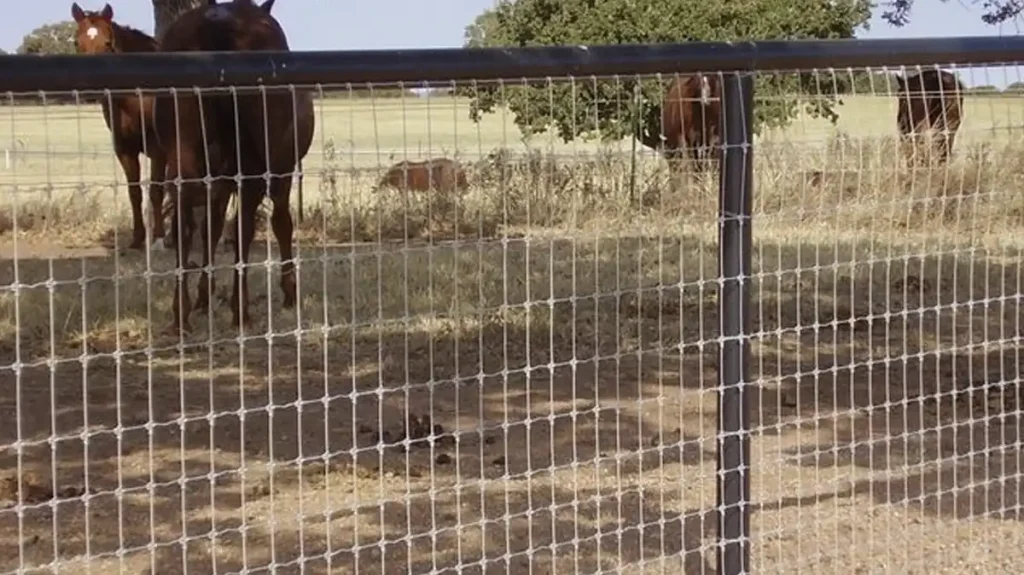
No climb horse fence is a type of fencing designed specifically to enhance the safety and containment of horses. Unlike traditional fencing options, which may have wide gaps or horizontal rails that horses can easily climb or get their hooves caught in, no climb horse fence features a tight mesh pattern created by closely spaced vertical and horizontal wires. This mesh design effectively prevents horses from climbing, leaning, or reaching through the fence, thus reducing the risk of injury or escape.
The construction of no climb horse fence typically involves durable materials such as galvanized steel or high-tensile wire, ensuring strength and longevity. The small gaps between the wires are strategically sized to prevent horses from inserting their hooves or getting entangled, while still allowing for adequate visibility and airflow.
No climb horse fence is commonly used in a variety of equine applications, including pasture enclosures, paddocks, round pens, and riding arenas. Its effectiveness in containing horses safely makes it a popular choice among horse owners, trainers, and facility managers who prioritize the well-being and security of their animals.
Why No Climb Horse Fence

No climb horse fence is chosen for several compelling reasons:
Enhanced Safety: The primary motivation for selecting no climb horse fence is the heightened safety it provides for horses. By featuring a tight mesh pattern with closely spaced wires, this type of fencing significantly reduces the risk of horses getting caught, entangled, or injured. It prevents horses from climbing or leaning on the fence, minimizing the potential for accidents or escapes.
Secure Containment: No climb horse fence offers reliable containment for horses, keeping them within designated areas such as pastures, paddocks, or riding arenas. Its sturdy construction and mesh design create a robust barrier that effectively prevents horses from breaching the enclosure, ensuring their safety and security.
Versatility: No climb horse fence is suitable for various equine applications, including both temporary and permanent installations. It can be used in a range of settings, from small paddocks to large pasture enclosures, making it a versatile fencing solution for horse owners and facility managers.
Durability: Constructed from durable materials such as galvanized steel or high-tensile wire, no climb horse fence is built to withstand the rigors of equine environments. It is resistant to corrosion, weathering, and wear and tear, ensuring long-term performance and minimal maintenance requirements.
Prevention of Damage: No climb horse fence helps prevent horses from damaging the fencing or neighboring property by leaning, rubbing, or attempting to climb. This can save on repair costs and maintenance efforts over time, making it a cost-effective choice for horse enclosures.
Peace of Mind: Choosing no climb horse fence provides peace of mind for horse owners and caretakers, knowing that their animals are safely contained and protected. This sense of security allows them to focus on enjoying their time with their horses without worrying about potential hazards or escapes.
The combination of enhanced safety, secure containment, versatility, durability, prevention of damage, and peace of mind makes no climb horse fence a preferred choice for those seeking reliable fencing solutions for their equine facilities.
Benefits of No Climb Horse Fence

The benefits of no climb horse fence include:
Enhanced Safety: No climb horse fence reduces the risk of injury to horses by preventing them from climbing, leaning, or getting entangled in the fence. Its tight mesh pattern and closely spaced wires create a secure barrier that minimizes the potential for accidents or escapes.
Secure Containment: This type of fencing provides reliable containment for horses, keeping them within designated areas such as pastures, paddocks, or riding arenas. Its sturdy construction helps prevent breaches in the enclosure, ensuring horses stay safe and secure.
Durability: No climb horse fence is constructed from durable materials such as galvanized steel or high-tensile wire, making it resistant to corrosion, weathering, and wear and tear. This ensures long-lasting performance and reduces the need for frequent repairs or replacement.
Versatility: No climb horse fence is suitable for various equine applications, from small paddocks to large pasture enclosures. It can be easily adapted to different environments and configurations, providing flexibility for horse owners and facility managers.
Prevention of Damage: By preventing horses from leaning, rubbing, or attempting to climb, no climb horse fence helps minimize damage to the fencing and neighboring property. This reduces maintenance costs and preserves the integrity of the enclosure over time.
Improved Aesthetics: No climb horse fence offers a clean and uniform appearance, enhancing the overall aesthetics of the equine facility. Its sleek mesh design blends seamlessly into the landscape, creating an attractive and professional-looking enclosure.
Peace of Mind: Choosing no climb horse fence provides peace of mind for horse owners and caretakers, knowing that their animals are safely contained and protected. This allows them to focus on enjoying their time with their horses without worrying about potential hazards or escapes.
How to Install No Climb Horse Fence

Installing a no climb horse fence requires careful planning and attention to detail to ensure proper installation and effective containment for horses.
Here are the general steps involved in installing a no climb horse fence:
Planning and Preparation: Begin by assessing the area where the fence will be installed and determining the layout, including the location of gates, corners, and any obstacles. Measure the perimeter and calculate the amount of fencing material needed. Obtain all necessary permits and check local regulations regarding fence height and placement.
Clearing and Leveling: Clear the area of any vegetation, debris, or obstacles that could interfere with the installation process. Ensure that the ground is level and free from any obstructions that could affect the alignment or stability of the fence.
Setting Posts: Install sturdy fence posts at regular intervals along the perimeter of the fence line, using a post hole digger or auger to dig holes to the appropriate depth. Space the posts according to the manufacturer’s recommendations, typically 8 to 12 feet apart. Insert the posts into the holes and secure them with concrete or tamped soil to provide stability.
Attaching Braces and Rails: Install horizontal braces and rails between the fence posts to provide additional support and stability for the fence. Use appropriate hardware, such as brackets or nails, to securely attach the braces and rails to the posts.
Stretching Wire: Begin by unrolling the roll of no climb horse fence along one section of the fence line, starting at one corner or end post. Use fencing pliers or stretcher bars to stretch the wire tightly between the posts, ensuring a smooth and even tension. Attach the wire to the posts using fencing staples or clips, spacing them evenly along the height of the fence.
Securing Bottom and Top: Secure the bottom and top edges of the fence to the ground and to the top rail, respectively, to prevent horses from pushing under or leaning over the fence. Use ground stakes or tension wire along the bottom, and attach the top edge securely to the top rail or line posts.
Installing Gates: Install gates at designated entry points along the fence line, ensuring they are wide enough to accommodate equipment and vehicles as needed. Use heavy-duty hinges and latches to securely attach the gates to the fence posts.
Finishing Touches: Walk along the fence line to check for any gaps, loose wires, or other issues that may need attention. Make any necessary adjustments or repairs to ensure the fence is secure and properly installed.
By following these steps and adhering to best practices for fence installation, you can create a sturdy and effective no climb horse fence that provides safe and secure containment for horses. If you’re unsure about any aspect of the installation process, consider consulting with a professional fencing contractor or equine specialist for guidance.
Conclusion
In conclusion, no climb horse fence stands out as a reliable and effective solution for ensuring the safety and containment of horses. Its tightly woven mesh design prevents climbing, leaning, or entanglement, minimizing the risk of injury or escape.
For those considering fencing options for their equine facilities, investing in a no climb horse fence offers peace of mind and security. It’s a testament to responsible horsemanship, providing a safe environment for horses to thrive.
Ready to upgrade your horse enclosure with a no climb horse fence? Take action today to enhance the safety and well-being of your equine companions. Reach out to fencing professionals or suppliers to explore options and kick-start your project. Your horses will thank you for it.