
In the realm of equine management, the importance of a sturdy and reliable horse fence cannot be overstated. Whether for securing pastures, delineating boundaries, or ensuring the safety of your beloved horses, choosing the right type of horse fence is crucial.
This article serves as a comprehensive guide to understanding horse fences, from their various types and categories to their installation and maintenance.
What is a Horse Fence
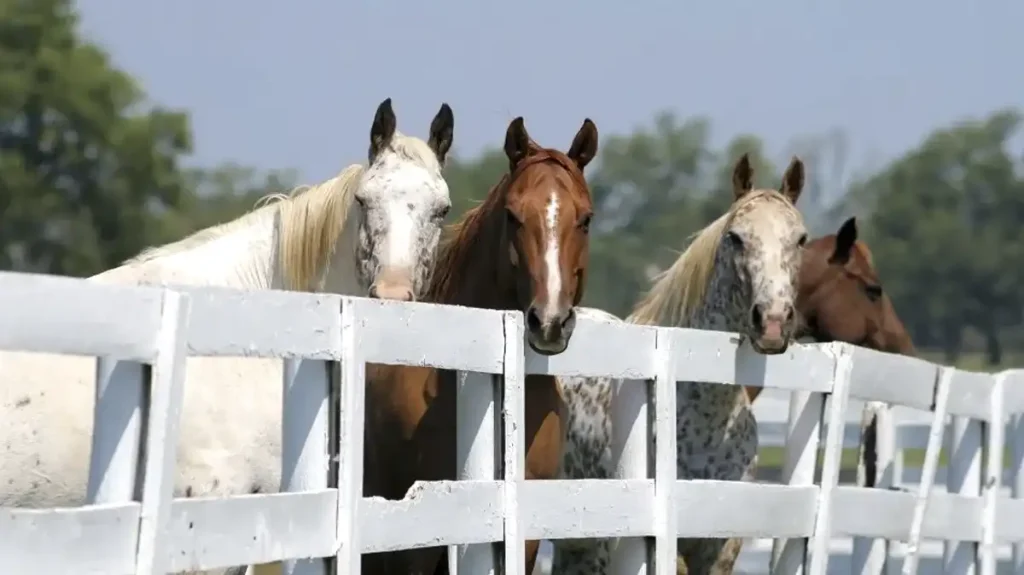
A horse fence is a type of fencing specifically designed to contain horses within a certain area, such as a pasture or a riding arena, while also keeping them safe from potential hazards and preventing them from escaping.
Horse fences are typically sturdy and durable to withstand the strength and size of horses, and they come in various materials such as wood, vinyl, wire, and electric. The design of a horse fence often includes features like rails, posts, and gates to ensure stability and security. Properly constructed horse fences are essential for the well-being of horses and for maintaining a safe environment for both the animals and their handlers.
What is No Climb Horse Fence
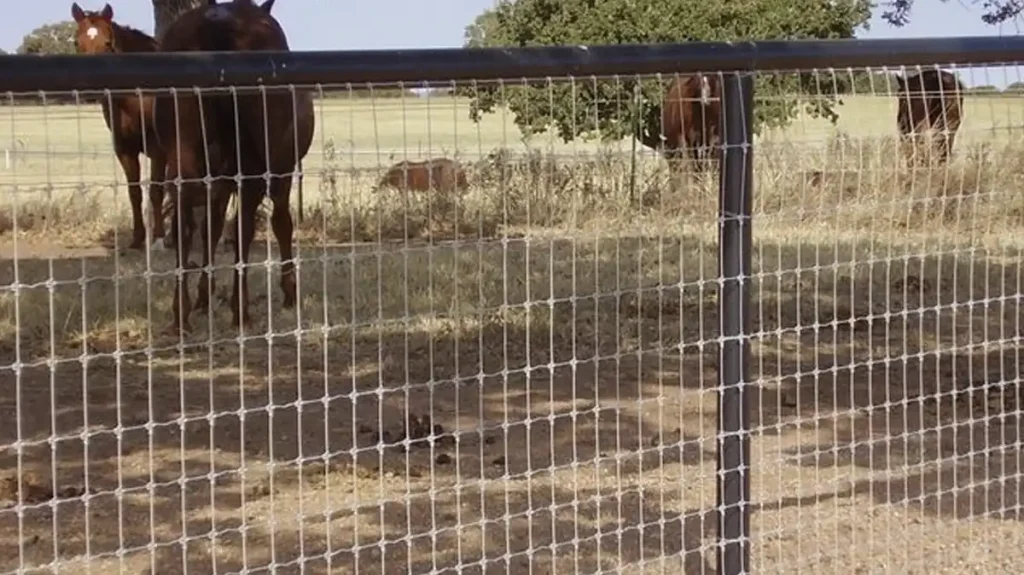
No climb horse fence is a type of fencing specifically designed to prevent horses from climbing, leaning, or getting their hooves caught in the fence. It typically consists of closely spaced vertical and horizontal wires woven together to create a mesh pattern. The small gaps between the wires make it difficult for horses to put their hooves through or climb over the fence.
No climb horse fence is commonly used in situations where containing horses securely is crucial, such as pasture enclosures, paddocks, or areas with valuable landscaping that horses could damage if they lean over traditional fencing. It provides a safe and effective barrier to keep horses within a designated area while minimizing the risk of injury or escape.
This type of fence is also suitable for containing other livestock such as goats, sheep, or cattle, as it prevents them from getting entangled or escaping. No climb horse fence is available in various heights and wire gauges to suit different applications and preferences. It offers a durable and low-maintenance solution for maintaining a secure environment for horses and other animals.
What is a Horse Fence Used For

A horse fence is used for several purposes related to the care and management of horses:
- Containment: The primary purpose of a horse fence is to contain horses within a designated area, such as a pasture, paddock, or riding arena. Fences prevent horses from wandering off or escaping onto roads or neighboring properties, ensuring their safety and security.
- Safety: Horse fences serve as a barrier to keep horses safe from potential hazards, such as traffic, predators, or dangerous terrain. By keeping horses within a defined area, fences reduce the risk of injury or accidents.
- Grazing Management: Fencing allows for controlled grazing by restricting horses’ access to certain areas of pasture or rotating them between different grazing areas. This helps maintain pasture health, prevents overgrazing, and ensures horses receive adequate nutrition.
- Exercise and Training: Fenced-in areas, such as riding arenas or round pens, provide safe spaces for horses to exercise, train, and engage in activities such as lunging, groundwork, or riding. Fences create boundaries that define the space for training sessions and help contain horses during exercise.
- Separation and Segregation: Horse fences are used to create separate areas for different purposes, such as separating stallions from mares, keeping foals or weanlings separate from adult horses, or segregating horses with special dietary needs or medical conditions.
- Security: Fences can act as a deterrent to unauthorized access, helping to protect horses from theft or vandalism. Secure fencing can also prevent other animals from entering horse enclosures and causing harm.
Horse fences are essential for managing and caring for horses in a safe, secure, and controlled environment, contributing to their health, well-being, and proper management.
Types of Horse Fences
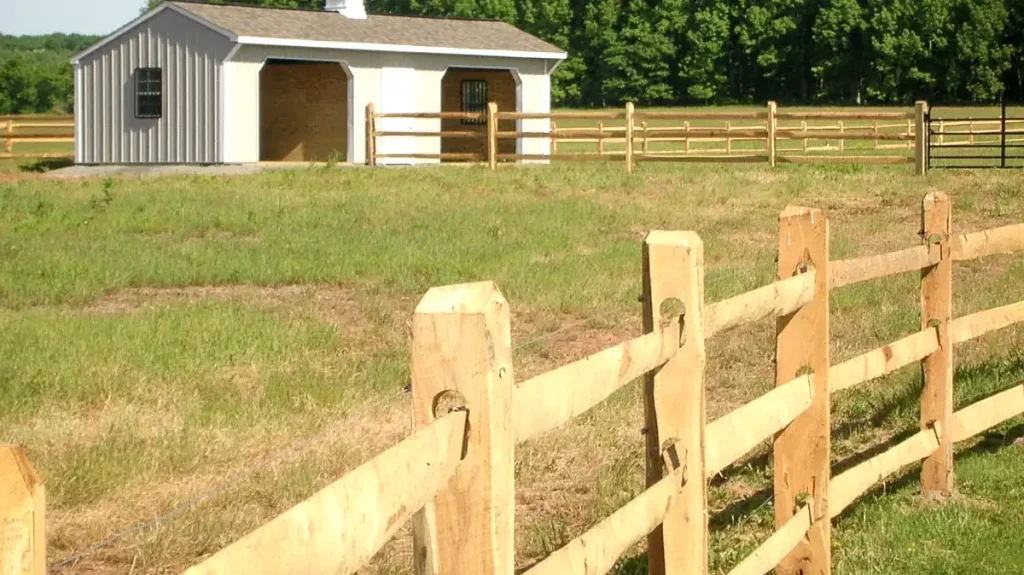
Here are some many different types of horse fences you need to know about:
Wooden Rail Fence:
This type of fence is a classic choice for horse owners. It typically consists of horizontal wooden rails supported by sturdy wooden posts. Wooden rail fences are aesthetically pleasing and provide a strong barrier for containing horses. They can be painted or stained for added durability and visual appeal.
Wire Mesh Fence:
Wire mesh fences are made of woven wire or welded wire panels stretched between wooden or metal posts. They provide a secure barrier while allowing for visibility and airflow. However, it’s important to choose a mesh with small enough gaps to prevent horses from getting their hooves or heads caught.
Electric Fence:
Electric fences use a mild electric shock to deter horses from leaning on or attempting to cross the fence. They are often used in conjunction with other types of fencing as a psychological barrier. Electric fences can be made from wire, tape, or rope and are relatively easy to install and maintain.
Vinyl Fence:
Vinyl fences are durable, low-maintenance alternatives to traditional wooden fences. They are available in various styles, including post and rail, crossbuck, and privacy designs. Vinyl fences are resistant to rot, insects, and weather damage, making them a long-lasting option for horse enclosures.
Pipe Fence:
Pipe fences are constructed using metal pipes or tubes welded together to form a sturdy barrier. They are particularly popular for containing horses in areas with harsh weather conditions or high winds. Pipe fences offer strength and durability but may be more expensive than other types of fencing.
Split Rail Fence:
Split rail fences are made of wooden posts and rails that are split lengthwise and stacked horizontally. They have a rustic appearance and are often used in rural settings. Split rail fences are less secure than solid fences but can be effective for containing horses in large areas where visual barriers are sufficient.
Each type of horse fence has its own advantages and considerations, so it’s important to choose the right one based on factors such as budget, maintenance requirements, and the specific needs of your horses and property.
How High Should a Horse Fence Be

The height of a horse fence depends on several factors, including the size and temperament of the horses, the purpose of the enclosure, and local regulations.
In general, most horse fences are recommended to be at least 4.5 to 5 feet (1.4 to 1.5 meters) tall to effectively contain horses. Taller fences, ranging from 5.5 to 6 feet (1.7 to 1.8 meters) or more, may be necessary for larger breeds or horses with a tendency to jump.
For safety reasons, the fence height must be sufficient to prevent horses from attempting to jump or lean over the fence, which could result in injury or escape. Additionally, the spacing between rails or wires should be carefully considered to prevent horses from getting their legs or heads caught in the fence.
Ultimately, the ideal height for a horse fence will vary depending on the specific circumstances, so it’s important to consult with a fencing professional or equine specialist to determine the most appropriate height for your particular situation.
Is It Safe to Paint Fences Where Horses Are Kept?
Yes, it is generally safe to paint fences where horses are kept, but there are important considerations to ensure the safety of the horses.
Here are some guidelines to follow:
- Choose Non-Toxic Paint: Use paint that is specifically labeled as non-toxic and safe for use around animals. Look for paints that are free from lead, creosote, and other harmful chemicals.
- Allow Proper Drying Time: Ensure that the paint is completely dry before allowing horses near the fence. This prevents them from ingesting or coming into contact with wet paint, which could be harmful.
- Ventilation: If painting in an enclosed area, ensure good ventilation to avoid the buildup of fumes, which could be harmful to both humans and horses.
- Quality of Paint: Opt for high-quality, durable paints that can withstand weather conditions and reduce the need for frequent repainting, which minimizes the horses’ exposure to fresh paint.
- Regular Maintenance: Inspect the painted fences regularly for any signs of peeling or chipping paint. Horses may chew on fences, so it’s important to maintain the paint job to prevent ingestion of paint chips.
By following these guidelines, you can safely paint fences in areas where horses are kept, providing both aesthetic appeal and protection for the fencing material.
Conclusion
In conclusion, a horse fence serves as a vital component in the care, management, and safety of horses. It provides containment, security, and delineation of spaces for various activities such as grazing, exercise, and training. Whether it’s for pasture management, property delineation, or ensuring the safety of your equine companions, a well-designed and properly maintained horse fence is essential.
If you’re in need of horse fencing solutions, please feel free to contact us at any time. Whether you’re looking for wholesale options, guidance on fence selection, or assistance with installation, our team is here to help. Ensuring the safety and well-being of your horses is our priority, and we’re committed to providing you with reliable, high-quality fencing solutions tailored to your needs.
Contact us today to discuss your horse fencing requirements and explore how we can assist you in creating a safe and secure environment for your equine partners.