
Stair railings can play a pivotal role in the safety and aesthetic appeal of our homes. In this comprehensive guide, we’ll delve into the world of stair railings, exploring types, materials, installation processes, design trends, and more.
What Is A Stair Rail?

A stair rail, also known as a handrail or bannister, serves as a protective barrier along the exposed side of a staircase to ensure the safety of individuals by preventing falls.
These rails can be crafted from various materials such as wood, steel, iron, glass, or a combination of iron and wood. Depending on the design, stair rails can be installed on either one or both sides of the staircase. However, stairways enclosed by walls on both sides will only have a handrail without any stair rails.
To meet safety standards, handrails should possess a circular cross section with a minimum outside diameter of 11⁄4 inches (32 mm) and a maximum of 2 inches (51 mm). The distance between the wall and the gripping surface of the handrail should be at least 11⁄2 inches (38 mm). Handrail brackets are commonly used to secure the stair rails to the wall, and decorative caps can be added to the ends for an aesthetically pleasing touch.
Importance of Stair Railings
Safety First
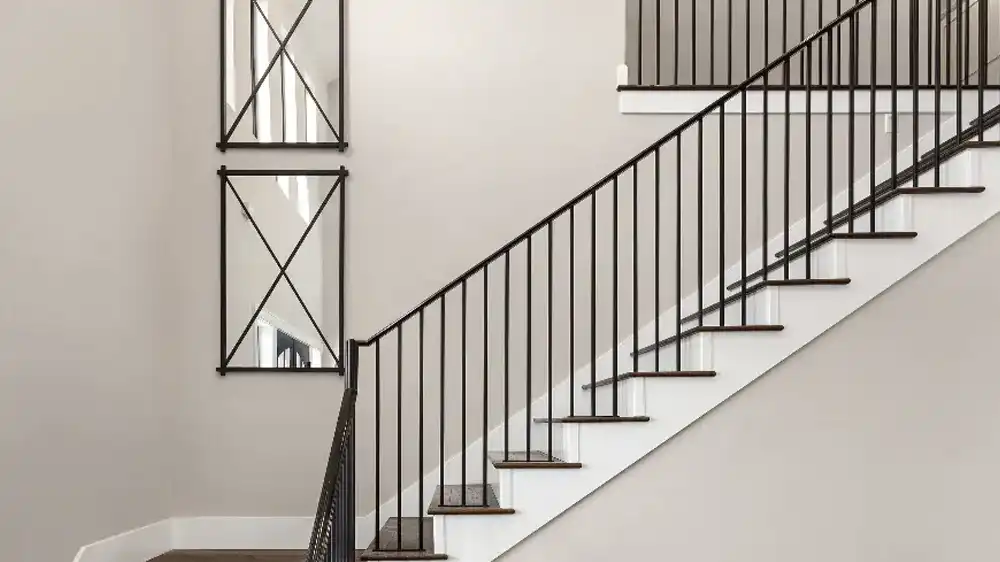
Stair railings play a crucial role in keeping people safe while using the stairs. They offer a reliable and sturdy support structure that helps prevent accidents and maintains stability, especially for those who may have difficulty with mobility, such as children or the elderly. Without railings, the chances of falls and injuries rise significantly.
Code Compliance
Stair railings play a crucial role in meeting building codes and regulations. Regulatory bodies often have specific requirements for the height, spacing, and design of railings to ensure they meet safety standards. Installing compliant stair railings is not just a matter of safety but also a legal requirement.
Enhanced Aesthetic Appeal
Beyond safety, stair railings contribute to the overall aesthetic appeal of a staircase and the surrounding space. With a myriad of designs, materials, and styles available, railings become a design element that can complement or even elevate the interior decor of your home. They serve as a focal point, enhancing the visual appeal of your living space.
Property Value Boost
Homes with well-designed and properly installed stair railings tend to have a higher market value. Potential buyers often look for not only functional but also aesthetically pleasing features in a home. Investing in quality stair railings can be a strategic move to increase the resale value of your property.
Stability for Daily Use
Stair railings provide a sense of stability and support during daily use. Whether carrying groceries, moving furniture, or simply going up and down the stairs, having a sturdy railing provides individuals with the confidence and stability they need to navigate the staircase safely.
Customization and Personalization
Stair railings offer an opportunity for customization and personalization. Homeowners can choose from various materials, designs, and finishes to align with their overall interior design theme. This flexibility allows for a unique and tailored look that reflects individual taste and style.
Versatility in Design
From classic and traditional to modern and sleek, the versatility in stair railing designs ensures that there is a perfect match for every home. Homeowners can choose a design that complements their overall decor, creating a cohesive and harmonious look throughout the living space.
Easy Maintenance
Well-maintained stair railings contribute to the overall cleanliness and hygiene of your home. Regular cleaning and upkeep of railings, depending on the material chosen, ensure they remain in top condition for years to come. This ease of maintenance adds to the practicality and long-term benefits of having stair railings.
Types of Stair Railings

When it comes to stair railings, diversity is key. The type you choose can dramatically impact the overall look and feel of your staircase. Let’s explore the most common types:
1. Wooden Stair Railings
Wooden railings are timeless classics that add warmth and character to any home. They come in various wood types such as oak, maple, or mahogany, each offering a unique aesthetic. Wooden railings are popular for traditional and rustic interior designs.
2. Metal Stair Railings
If durability and a contemporary look are priorities, metal railings are an excellent choice. Common materials include wrought iron, aluminum, and stainless steel. Metal railings often feature intricate designs, making them suitable for both modern and classic interiors.
3. Glass Stair Railings
For those seeking a sleek and modern look, glass railings are a popular option. They create an illusion of space and allow natural light to flow, making them ideal for contemporary homes. Tempered glass is commonly used for safety, ensuring it won’t shatter easily.
4. Cable Stair Railings
Cable railings provide a minimalist and open feel to staircases. Typically made of stainless steel cables, this type of railing is ideal for those who want an unobstructed view. Cable railings are often seen in modern and industrial-style interiors.
5. PVC Stair Railings
PVC, or polyvinyl chloride, railings are known for their durability and low maintenance. They are resistant to moisture, making them suitable for outdoor use. PVC railings come in various styles and colors, offering versatility in design.
6. Combination Railings
Some homeowners prefer to combine materials for a customized look. Combinations like wood and metal or glass and stainless steel provide a unique aesthetic, allowing individuals to tailor the railing to their specific design preferences.
7. Spiral Stair Railings
Perfect for compact spaces, spiral stair railings add a touch of elegance and intrigue. They are often made of metal, providing a functional and stylish solution for homes with limited square footage.
8. Wrought Iron Stair Railings
Known for their intricate designs and sturdiness, wrought iron railings bring a touch of old-world charm to any staircase. They are often chosen for classic and Victorian-style interiors.
Choosing the Right Material
Before settling on a type of railing, it’s crucial to consider factors such as the overall design of your home, personal preferences, and maintenance requirements. Each material has its unique benefits, and finding the perfect fit ensures a harmonious integration into your living space.
Choosing the Right Material of Stair Rail

When it comes to stair railings, the material you choose plays a pivotal role in both the aesthetic appeal and the durability of the structure. In this segment, we’ll guide you through the process of selecting the right material for your stair railing.
Wooden Stair Railings
- Pros:
- Timeless and classic aesthetic.
- Offers warmth to the space.
- Can be easily customized and carved for intricate designs.
- Cons:
- Prone to wear and tear over time.
- Requires regular maintenance, including polishing and sealing.
Tip: Choose hardwoods like oak or maple for enhanced durability.
Metal Stair Railings
- Pros:
- Durable and long-lasting.
- Provides a modern and sleek appearance.
- Low maintenance, resistant to rot and pests.
- Cons:
- May rust over time, especially in humid environments.
- The initial cost may be higher compared to other materials.
Tip: Opt for stainless steel or aluminum for corrosion resistance.
Glass Stair Railings
- Pros:
- Creates a spacious and open feel.
- Allows natural light to flow through the space.
- Modern and elegant aesthetic.
- Cons:
- Requires frequent cleaning to maintain transparency.
- Can be more susceptible to scratches.
Tip: Choose tempered glass for added safety and durability.
Cable Stair Railings
- Pros:
- Minimalistic and unobtrusive design.
- Provides an unobstructed view.
- Low maintenance.
- Cons:
- Installation may require professional assistance.
- Cable tension may need occasional adjustment.
Tip: Regularly check and adjust cable tension to ensure stability.
PVC Stair Railings
- Pros:
- Highly durable and resistant to moisture.
- Low maintenance, easy to clean.
- Budget-friendly option.
- Cons:
- Limited design options compared to other materials.
- May not have the same aesthetic appeal as wood or metal.
Tip: Ideal for outdoor staircases due to its resistance to the elements.
Factors to Consider When Choosing Stair Railing
Durability
Consider the lifespan of the material and its resistance to wear, tear, and environmental factors.
Aesthetic Appeal
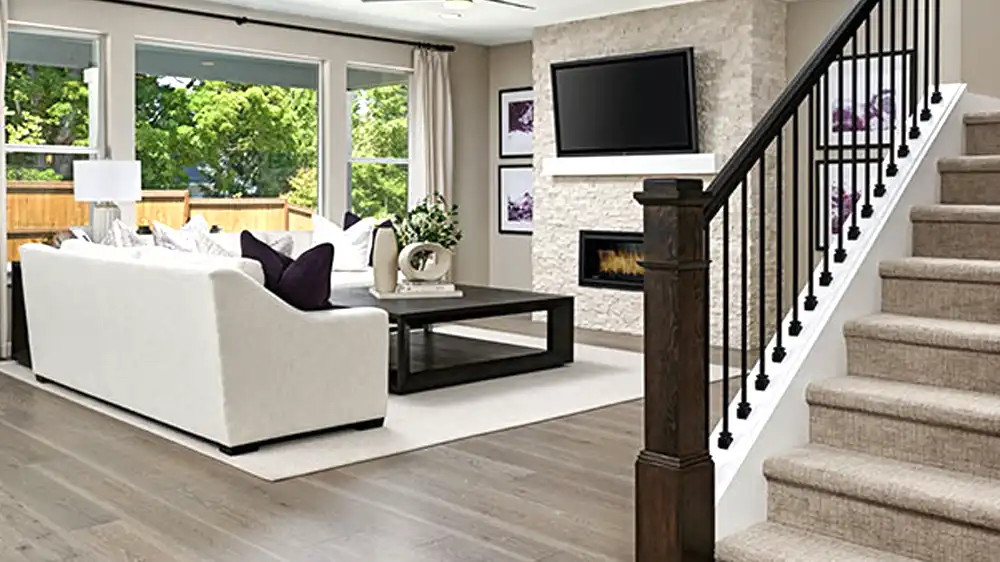
Align the material with the overall design theme of your home for a cohesive and visually pleasing look.
Maintenance Requirements
Evaluate the time and effort you are willing to invest in maintaining the railing over the years.
Budget Considerations
Ensure the chosen material fits within your budget constraints, factoring in both initial costs and long-term maintenance.
Choosing the right material for your stair railing involves a careful consideration of various factors, including durability, aesthetic appeal, maintenance requirements, and budget constraints. By weighing these factors against your preferences and needs, you can make an informed decision that not only enhances the visual appeal of your staircase but also ensures long-term functionality.
Stair Railing Installation Process
Once you’ve chosen the perfect material for your stair railing, the next crucial step is the installation process. In this segment, we’ll walk you through the ins and outs of installing a stair railing, covering everything from DIY considerations to safety guidelines.
DIY vs. Professional Installation
DIY Installation
- Pros:
- Cost-effective, saving on professional labor.
- Sense of accomplishment for homeowners with handy skills.
- Flexibility in scheduling the installation.
- Cons:
- Requires knowledge of tools and basic carpentry skills.
- Risk of errors, leading to safety issues.
- Time-consuming, especially for first-timers.
Tip: If opting for a DIY approach, thoroughly research and follow step-by-step guides. Ensure you have the necessary tools and understand the safety measures involved.
Professional Installation
- Pros:
- Expertise in handling various materials and designs.
- Faster and more efficient installation.
- Minimizes the risk of errors and ensures compliance with regulations.
- Cons:
- Higher upfront cost due to professional labor.
- Limited flexibility in scheduling based on the availability of installers.
Tip: Research and choose reputable professionals with experience in installing stair railings. Obtain multiple quotes to ensure a fair price.
Safety Guidelines
Measurements and Placement
- Measure the height of the railing according to building codes.
- Install the railing at a consistent and comfortable height for users.
Securing the Posts
- Ensure the posts are securely anchored to the floor or staircase.
- Use appropriate screws or bolts for a robust connection.
Baluster Spacing
- Adhere to regulations regarding the spacing between balusters.
- Install balusters securely to prevent wobbling.
Handrail Positioning
- Position the handrail at a comfortable height for users to grasp.
- Ensure a secure and stable connection to the newel posts.
Surface Finish
- If applicable, finish the railing surface according to the material’s requirements (e.g., painting, staining, polishing).
Stair Railing Installation Steps
Prepare the Area
- Clear the staircase of any obstacles.
- Ensure a clean and safe workspace.
Marking and Measurement
- Mark the positions for posts and balusters using a level.
- Measure and mark the height for the handrail.
Post Installation
- Securely install newel posts at the top and bottom of the staircase.
- Ensure posts are plumb and anchored securely.
Baluster Installation
- Attach balusters to the handrail and base.
- Ensure even spacing and a secure fit.
Handrail Attachment
- Connect the handrail to the newel posts and balusters.
- Ensure a tight and stable fit.
Finishing Touches
- If required, apply finishes to the railing according to the material type.
- Clean the area and remove any construction debris.
We Install Right Stair Railing to Suit Your Needs
Stair railings are more than just a safety feature; they are a design statement that can elevate the aesthetic appeal of your home. At [Your Company Name], we understand the importance of choosing and installing the right stair railing to suit your specific needs.
Expertise in Material Selection
Our team of experienced professionals guides you through the process of selecting the ideal material for your stair railing. Whether you prefer the timeless warmth of wood, the sleek modernity of glass, or the durability of metal, we ensure that the material aligns with both your safety requirements and design preferences.
Tailored Solutions for Every Home
No two homes are alike, and neither should be their stair railings. We pride ourselves on offering tailored solutions that seamlessly integrate with the unique characteristics of your space. From classic designs to contemporary styles, our installations are customized to enhance the overall ambiance of your home.
Professional Installation Services
Choosing the right material is just the beginning. Our professional installation services guarantee a secure and visually appealing stair railing. Whether you opt for a DIY approach or prefer the expertise of our skilled installers, we ensure that every detail is meticulously attended to, adhering to safety guidelines and building codes.
Safety is Our Priority
Your safety is paramount to us. Our installations prioritize adherence to safety standards, ensuring that the stair railing provides a stable support system and meets all necessary regulations. We take care of every aspect, from precise measurements to securing posts and balusters, guaranteeing a railing that not only looks good but also ensures your well-being.
Versatility in Design
Our commitment to providing the right stair railing extends to offering a wide range of design options. Whether you seek a traditional, ornate railing or a minimalist, modern design, we have the expertise to bring your vision to life. Our versatility in design ensures that your stair railing becomes a unique and defining feature of your home.
Client Satisfaction Guaranteed
At Jzmetalworks, client satisfaction is at the forefront of our priorities. We work closely with you, understanding your preferences, addressing your concerns, and delivering results that exceed your expectations. Our goal is to not just install a stair railing but to create a functional and visually pleasing element that adds value to your home.
Conclusion
When it comes to installing the right stair railing for your needs, trust [Your Company Name]. With a focus on expertise, safety, and design, we turn the seemingly utilitarian aspect of stair railings into a personalized and impactful feature of your home. Elevate your space with the perfect stair railing that suits your needs and reflects your unique style.
Contact us today for a consultation, and let’s embark on the journey to enhance the safety and aesthetics of your staircase.